Townhouses are showing a strong comeback. For the third-consecutive quarter, the construction of townhomes — attached single-family housing — saw a sharp rise in total units and market share to a point that hasn’t been seen since 2008, the National Association of Home Builders reports.
The construction of townhouses nearly doubled in the past year — rising from 12,000 starts in the third quarter of 2011 to 21,000 starts during the third quarter of 2012. The market share of townhouses makes up 12.1 percent of all single-family housing starts, up from 11.2 percent during the previous quarter of this year.
The peak of townhouse construction was reached during the first quarter of 2008 at 14.6 percent.
The National Association of Home Builders predicts a rise in townhome construction in the coming years. “The prospects for the townhouses are positive given large numbers of home buyers looking for medium-density residential neighborhoods, such as urban villages that offer walkable environments and other amenities,” according to NAHB economists.
Source: “Townhouse Starts and Market Share Grow During Third Quarter,” the National Association of Home Builders

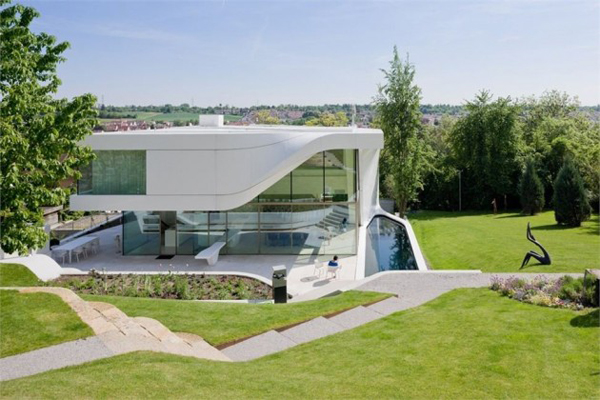
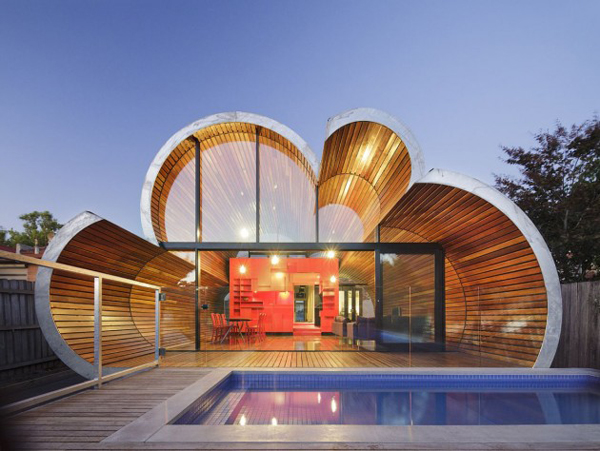

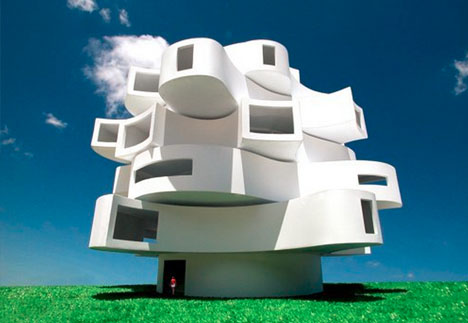
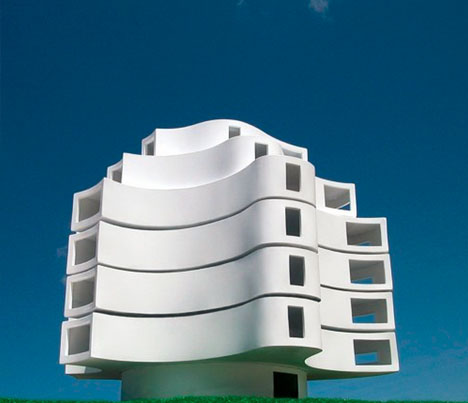 One such challenging project is this wind-shaped pavilion -depicted here as a rural construct, it would be compelling in urban environments (where its density would also make the most sense).
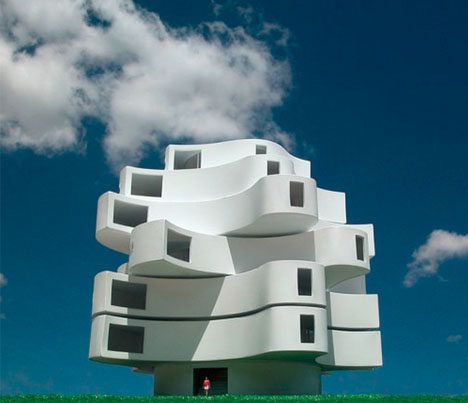 So how does it work? “The Wind Shaped Pavilion is a design proposal for a large fabric structure that can be used as a public or private pavilion. As a lightweight fabric structure, the wind slowly and randomly rotates each of the six segments around a central open support frame. This continually alters the shape of the pavilion, while at the same time generating electrical power for its nighttime illumination.”
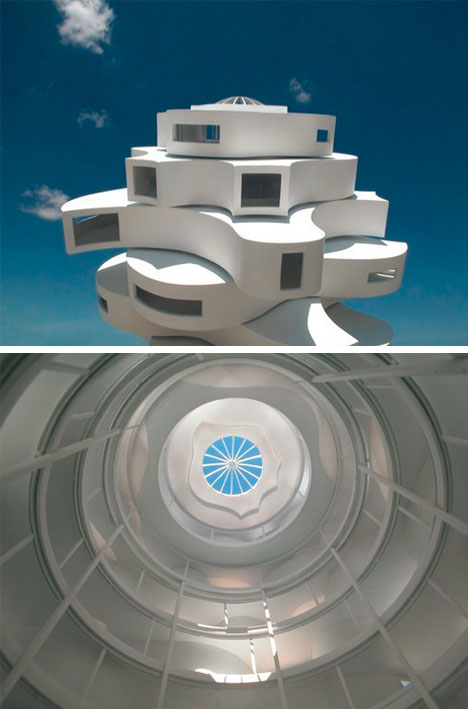 And how would it play out in practice? “The shape of the structure starts out as a relatively symmetrical form. Then the wind begins to alter that shape randomly, with only a slim chance of ever returning to its original symmetry. If the structure’s scale and the materials were to change, it could become an apartment complex, and or some other commercial building. In this case, the occupants could take control and rotate the segments to adjust to changing desires or needs, such as weather conditions, best views, etc.”


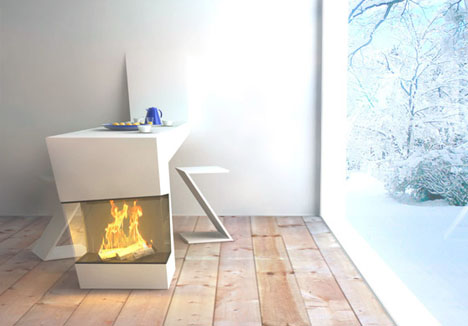 Unlike some of his other more experimental futuristic projects, this is a sort of when-Harry-met-Sally piece, expressive like his inked figure drawings rather than being a suggestion about the way things should be.
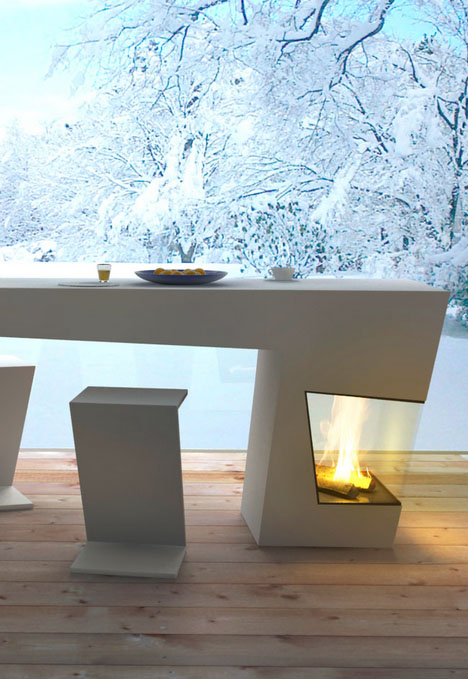 “The conducts of the stove run through the surface of the table. The Corian material is able to resist to high temperatures and cools down the heat to a comfortable and warm feeling.”
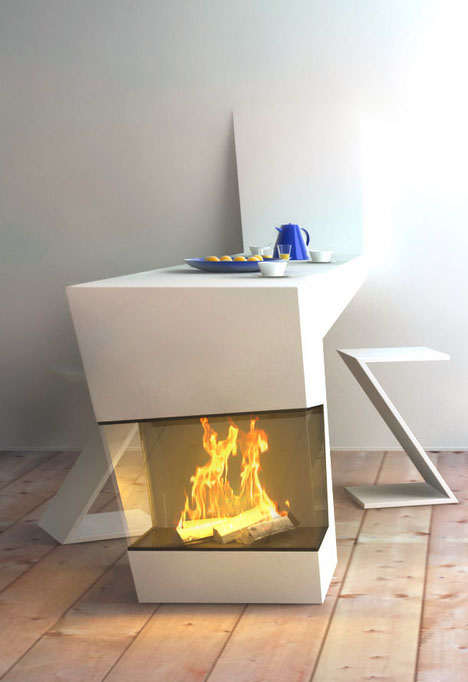 Of himself, Harbourn writes: “While design is commonly described as the union of emotional and rational processes by bringing the aesthetic and the functional together, I believe it has evolved into something much deeper today. Now have to be considered new values inside the design process, which are the psychological and the philosophical. In my projects, I tend to question these new values. By sketching a hypothetical vision of tomorrow’s products & interactions, I aim to make people react and debate about the fascinating evolution of our daily objects.”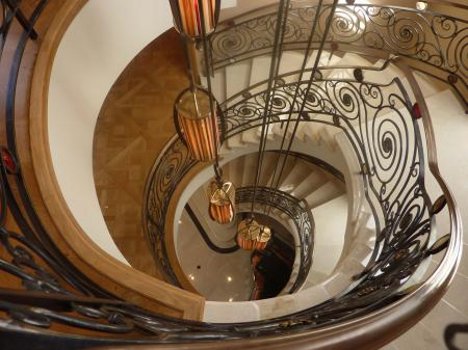
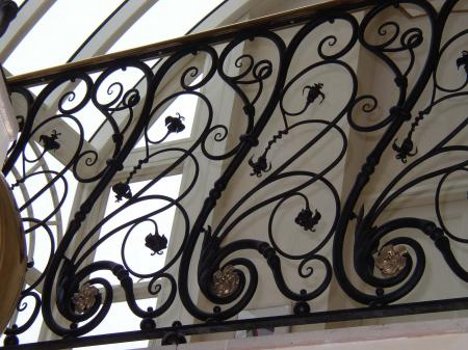
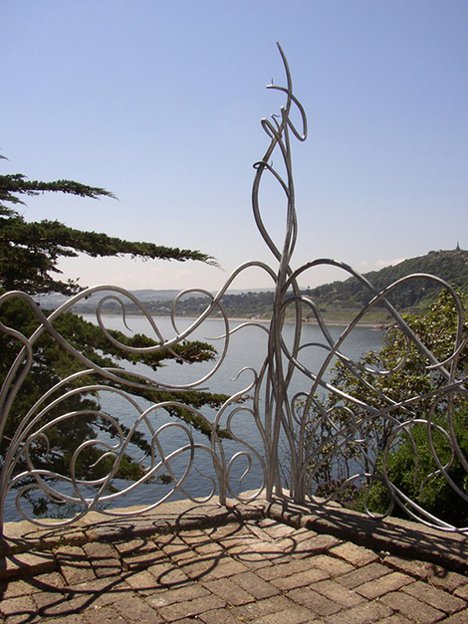 Ranging from elegant classic shapes to organic curves and swirls, the iron railings and balustrades take staircases from boring and samey to totally unique.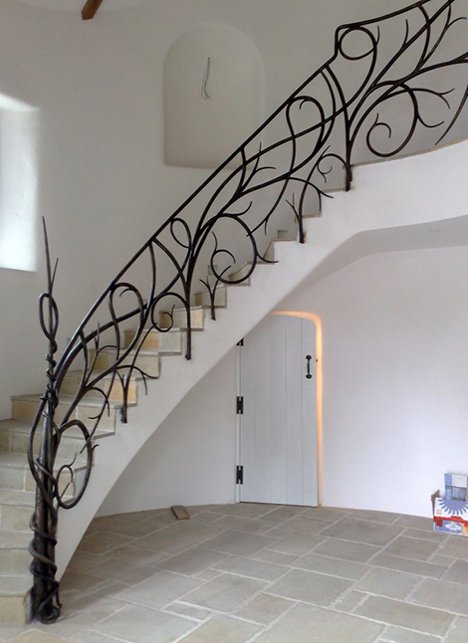
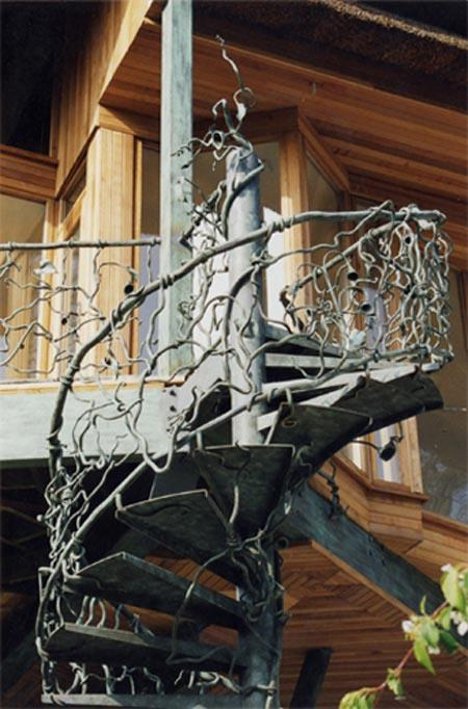 The contemporary railings are an update on the old classic wrought iron railing designs that once graced homes around the world. Rather than seeming visually heavy and outdated like their predecessors, the modern versions are graceful and airy.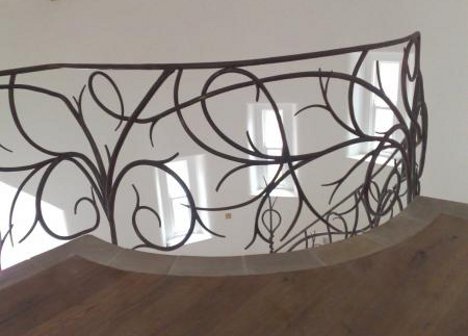
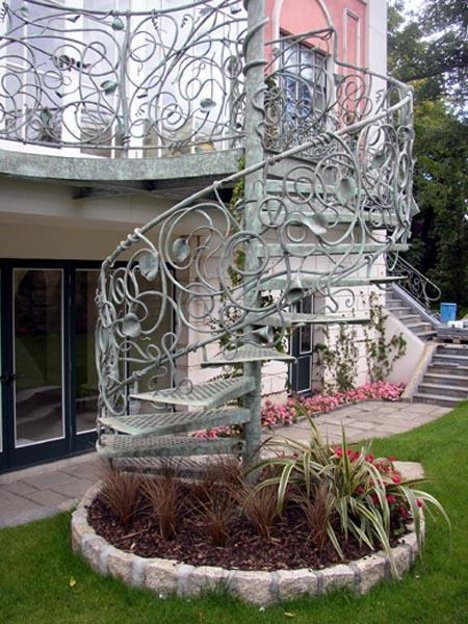 This new age of iron balustrades incorporates materials other than iron in some of the surprisingly beautiful creations. Some contain glass, ceramics, stone and wood alongside a variety of metals. The end result is an endless variety of totally personalized touches for the home.