Quick Interior Makeover Ideas

Don’t you just want to sometimes change something in the room without actually doing much? If so these quick interior makeover ideas will help you with that. While you could change your room color or shade in almost an instance for a makeover sometimes there are too little funds or time for dealing with the paint, covering every inch of the room to protect from the paint drop or spillage. So here are a few ways you could change you interior design considerably without spending a penny or much time.
Quick Interior Makeover Ideas

Furniture Rearrangement

The way you arrange or rearrange furniture can make a big difference in the whole interior design. Since furniture is such a big part of home decor you may consider starting your makeover with rearranging it. The great thing about this is that you get to experiment a lot with the angles, arrangement and create the whole new atmosphere in the room.

Change of Lighting

Change the lighting position in the room. Swap light sources and add focus on areas that were hidden before. This will give your interior an instant makeover as the lighting plays a great part at highlighting and hiding objects. Thus you’ll be able to find a new light focus and create a different mood and atmosphere in the room.

Handmade

Handmade is great and handy when it comes to interior design and home decor. Recycle old junk, furniture, accessories and objects to create something new and add it as an accent and detail to your interior. You can sew new interesting pillow cases for your sofa’s throw pillows, redecorate the old curtains, and use patchwork to make a new coverlet for a room. If you are into art then creating a wall art of your own right on the wall or drawing a painting to hang on the wall can be not only great as a makeover for your interior but also as an outlet for your creativity.

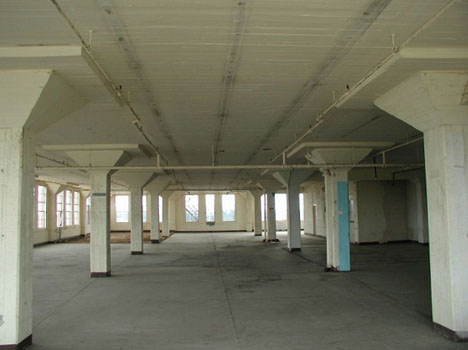
Before & After: Two-Story, 20,000-Foot Factory Penthouse

There is no blank canvas quite like the empty floors of old factories – thick, widely-spaced columns make for a clean slate for new spaces, but also add character through solid-but-aged materials.

Set in downtown Antonio, Texas, and recreated by Poteet Architects, the top two floors in this 1920s brick building (as well as its roof) were bought by an art-collecting client in search of space to store and deploy his collection inside … and enjoy sun, shade and some greenery outside.

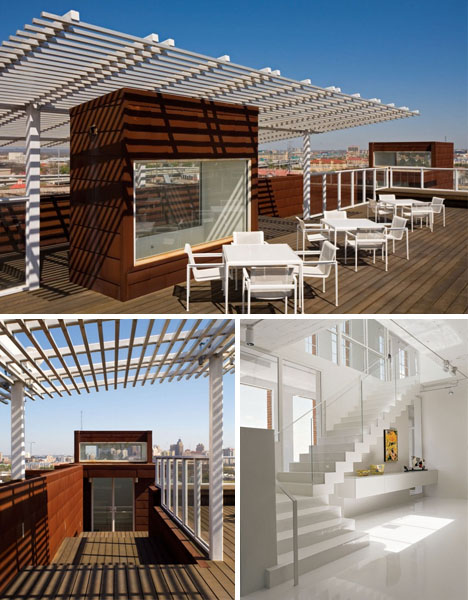
Above, simple wooden decking surrounds cor-ten concrete boxes that connect to the main indoor areas below. Area-appropriate plants dot the edges of the building, while an original water tower was left alone and as-is at one end.

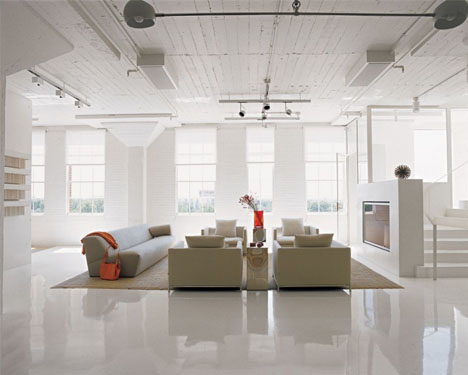
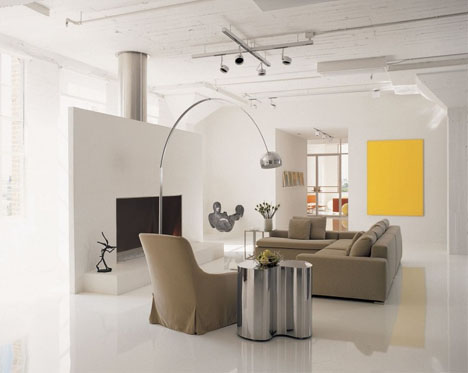
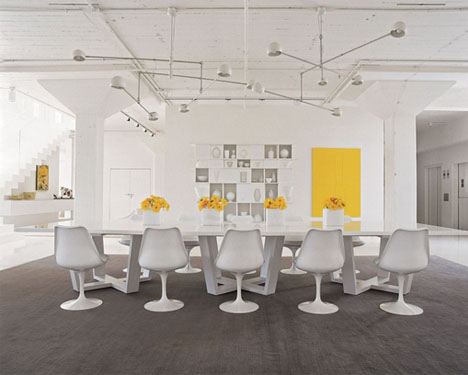
Within, flat matte white was chosen for the walls and lacquered cabinetry, and glossy reflective white epoxy  for the floors – all designed to contrast with the rough texture of existing masonry and wood-decking ceilings, left unpainted, and to match the outward-tapering grid of concrete supports.

These columns branch outward to resist punching sheer, allowing broader spans and greater weight capacity on the original factory floor. in the new scheme, they form an organizing geometry that bridges the new minimalism and original industrial character.

Steel and glass partitions and tall skylights draw daylight down into the spaces from above and diffuse it; they also create surprising sectional complexity in what was previously a flat-pancake type stack of symmetrical floors.

As for luxury, well, no expense was spared – the floor plans include a regular and tall art gallery, as well as sunless artwork storage spaces, a living room, media room, conference room, lounge and office in addition to master and regular bathrooms, bedrooms, kitchen and more.

Sosia Sofa

Interesting transforming sofa.

b615

b615

b615

b615

b615

b615

b615

b615

b615

b615

b615

b615

9 Ways to Upgrade Tired Kitchen Cabinets

Kitchen cabinet upgradesStylish and Sensible Storage

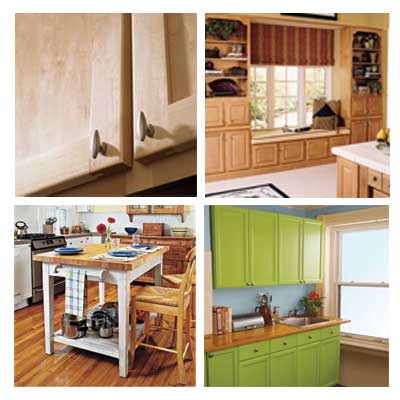
Kitchens are more than just where you prepare your meals. Nowadays, the kitchen is a command center, dining area, and the one room in the home where families spend the most time together. If you’re looking for a way to spruce up the space, and an overhaul isn’t in the budget, try one of these easy kitchen cabinet upgrades. You can brighten the room with a coat of cabinet paint, add handy storage features like a pull-out shelf or a free-standing island, or even build a window seat with stock cabinets—all with our help! Here are 9 of our top kitchen cabinet upgrades, along with step-by-step instructions chock full of pro tips, shopping lists, and tools lists to help you get the job done right.

read the rest here at thisoldhouse.com

Most expensive house

Can be frozen in amazement, mouths open, in Switzerland built the most expensive house in the world, which is 7.5 billion euros (12.2 billion dollars), you’re right, counting the zeros, namely billion. King of chic and shocking, well-known Briton Stuart Hughes, together with Kevin Huber, owner of design agency, located in Zurich, created the most expensive and unique home in the world.

most expensive house

most expensive house

most expensive house

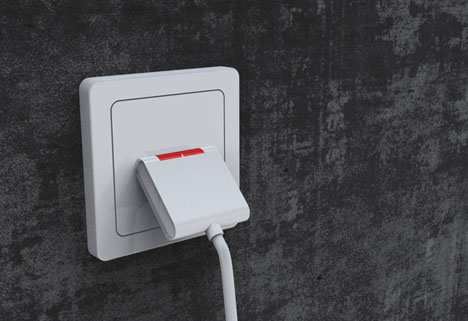
Flipping Nifty: Flexible Folding Plug for Interior Wall Sockets

Until electricity is entirely wireless, the question of how to deal with dense plugs will continue to nag at designers – this solution, while nifty, poses a new problem while trying to solve the old one.

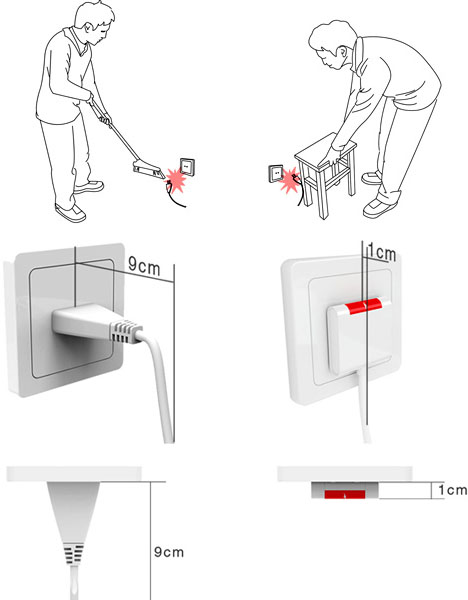
There are angled, bent and flush-fitting solutions, but when you go to change configurations (like standing up from a low seat with your laptop) your cord may have other ideas.

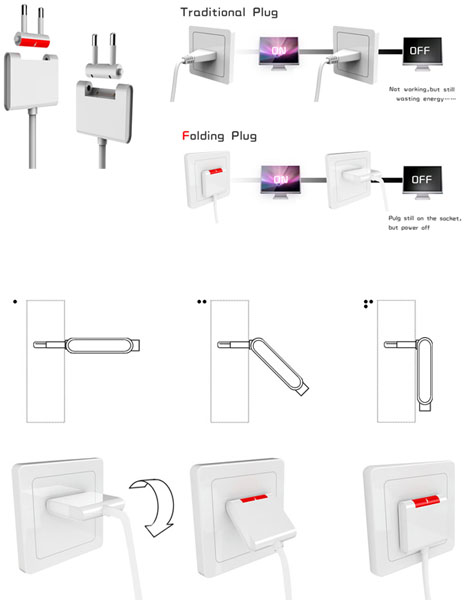
Huang Guanglei‘s vision for this flexing plug looks perfect, but in addressing the issue of mobility it creates a problem of power. Specifically, it is designed to flip up and down not just to accommodate movement but also to turn on and off. This last tweak is neat insofar as it results in an adjustable dimmer switch for lights, but less functional for something that uses continuous power to run.

How to Gain More Closet Space Without Renovating

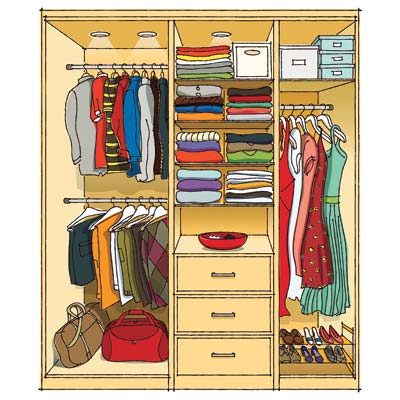
illustration of a well organized closet

No Renovation Required

We consulted with closet-design pros from across the country to learn the secrets to creating the ultimate storage unit, no power tools required.

Double Up

You need to dedicate only two-thirds of your closet to hanging rods. To maximize that space, mount two of them—one well above eye level for longer garments and one a little more than 3 feet off the ground for shorter (or foldable) ones. Position both at least 1 foot from the back wall.

Read the rest here at thisoldhouse.com

Living in Nature: Beautiful Wood & Stone Bungalow Home

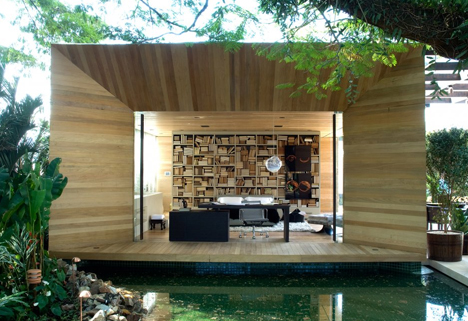
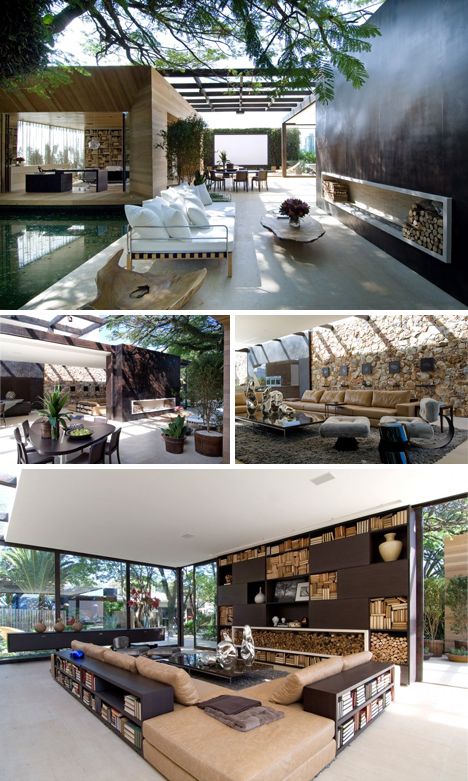
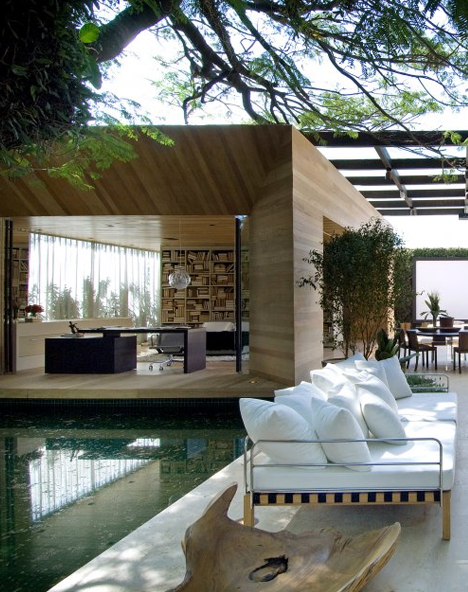
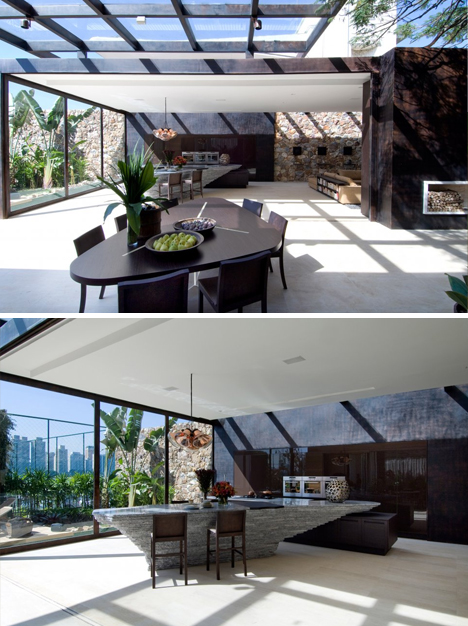
Outside and inside slide seamlessly together in this lovely little loft built of thick wooden beams, textured limestone floors and rough stone walls, all tied together by thin and unobtrusive steel members and spanned, when necessary, with crystal clear glass.

Designer Fernanda Marques’ core idea involved tying together a classic country villa with the rigorous Modernism of masters like Mies van der Rohe, weaving a series of boxy rectangular forms into their environment on the outskirts of Sao Paulo, Brazil.

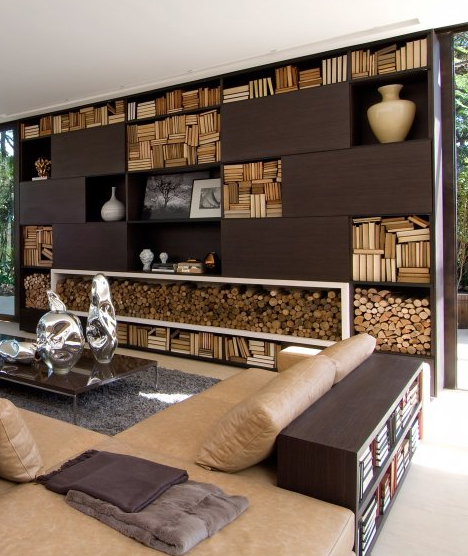
Wooden browns are a recurring theme, from wall-wide bookcases to smaller shelves, side tables, sofas, sheets, Â blankets and cushions, both within and without the thick-walled central library space.

A heavy stone table, built-in niches, cabinets and bookcases also blur the boundary between furniture and architecture, projecting into and out of walls and adding a rich layer of variegated materials to the already-organic interior design.

Why Your Green Home Improvements Aren’t Paying Off

By: Karin Beuerlein

Forget big savings on your energy bills if you make green home improvements. Instead, choose green retrofits and home improvements that offset rising energy prices.

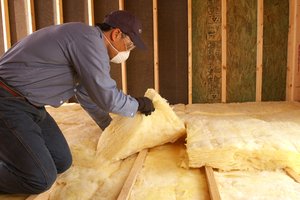
Eco Friendly Home Improvements Sustainable Home ImprovementsInsulating your home, including the attic, can shave up to 10% off your energy bills. Image: CertainTeed

If you made green home improvements over the last few years with high hopes for lower energy bills and a quick recoup of your initial investment, you got an awakening: Your monthly bottom line likely held steady—or, worse, went up.
Before you shun green, recalibrate your thinking from expecting fat returns to understanding the new bottom line: Smart retrofits help you hold your ground against rising energy costs.

Why have my green home improvements fallen flat?

Energy prices as a whole have gone up over the last decade, especially in certain regions of the country.
Although natural gas prices have dipped a bit since 2008 and electricity prices have stayed level, the trend line goes up for both from 2011 forward.
The U.S. Energy Information Administration estimates an average annual increase in residential energy costs of 2.3% through 2035.
So…if energy cost projections hold, and assuming an average annual American energy bill of $2,200, you’ll pay 2.3% more each year (that’s $50 the first year) if you do nothing to reduce your consumption. Your bill will inch closer to $4,000 by the year 2035. Ouch.

3 energy saving retrofits that pay off

If the only reason you’re making retrofits is to manage energy costs, look for projects with maximum bang for the buck.
Rule of thumb: Try to beat the 2.3% annual average with green home improvements that reduce your energy consumption by 5% or more but have a modest initial investment. And don’t forget to ask whether your utility or state government offers rebates or tax credits for these improvements.

1. Seal and insulate ductwork that runs through unheated spaces—the attic, a crawl space, a garage. It’s not glamorous, but it can improve the efficiency of your heating system by 20%—a 5% bill reduction overall. If you hire an HVAC pro for this job, you’ll invest a few hundred dollars for labor and materials.

2. Buy a programmable thermostat. Is it possible you haven’t done this yet? For just $25 to $250, the you can save, on average, around 8% on energy bills simply by programming it properly.

3. Add attic insulation and seal air leaks. One of the best energy-saving improvements out there, because insulating and sealing your home can reduce your energy bills by 10%. Upgrading your attic insulation to the R-value recommended for your region costs anywhere from $.25 to $1 per square foot, including materials and labor; it’s less if you do it yourself.

But you won’t get the maximum savings if you don’t seal air leaks, so plan this as a combo job. Caulking and weather-stripping typically costs from $50 to $350, depending on the size of your house.