Hand-Crank Travel Dishwasher

Wash, rinse and spin are all separate cycles in an ordinary, full-sized, dish-washing device for a house or home. This conceptual electricity-free, eco-washer-to-go builds them into one compact portable unit requiring no external plumbing or power to plug into.

Perfect for picnics or camping trips, but also great for any abode without room in the plan for a few-square-foot appliance. Click shut the top to the front, grab the rubberized handle, and then activate the all-in-one system is activated by hand-cranking a circular disc along one side.
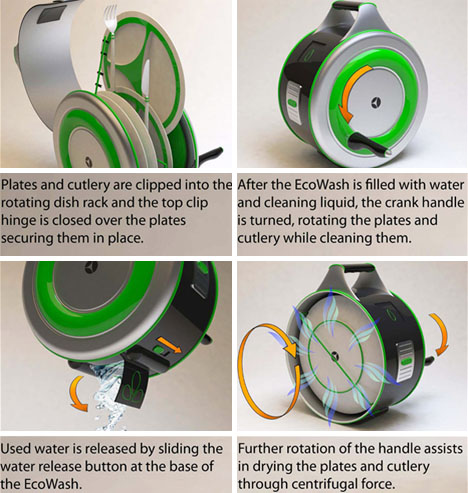
The interior dish rack uses (a bucket or reservoir of) water poured in from above, combined with a cleaning brush and biodegradable soap, to re-cycle your dirty dishes. An optional post-rinse, dish-drying cycle operates with centrifugal force, much like a vegetable dryer.
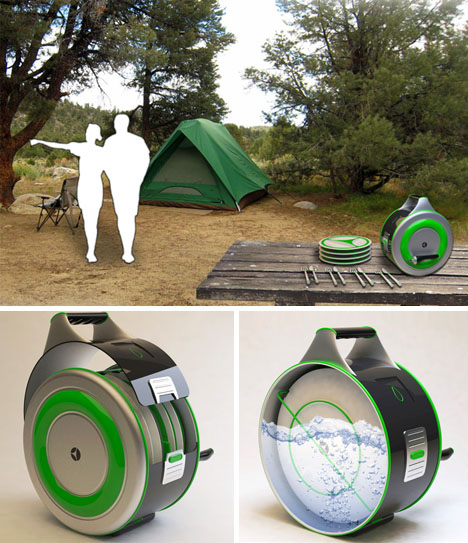
Interior spaces, slots and clips are optimized to accommodate a basic dinner-for-four set of tableware with dishes, forks, knives and spoons.EcoWash was designed by David Stockton, but is not yet in production nor for sale.
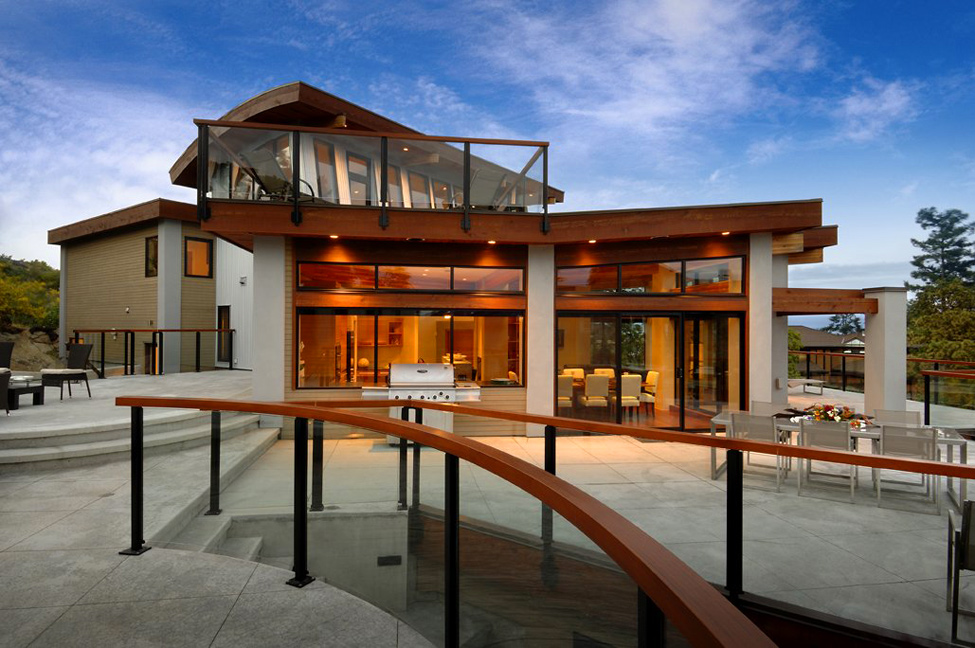
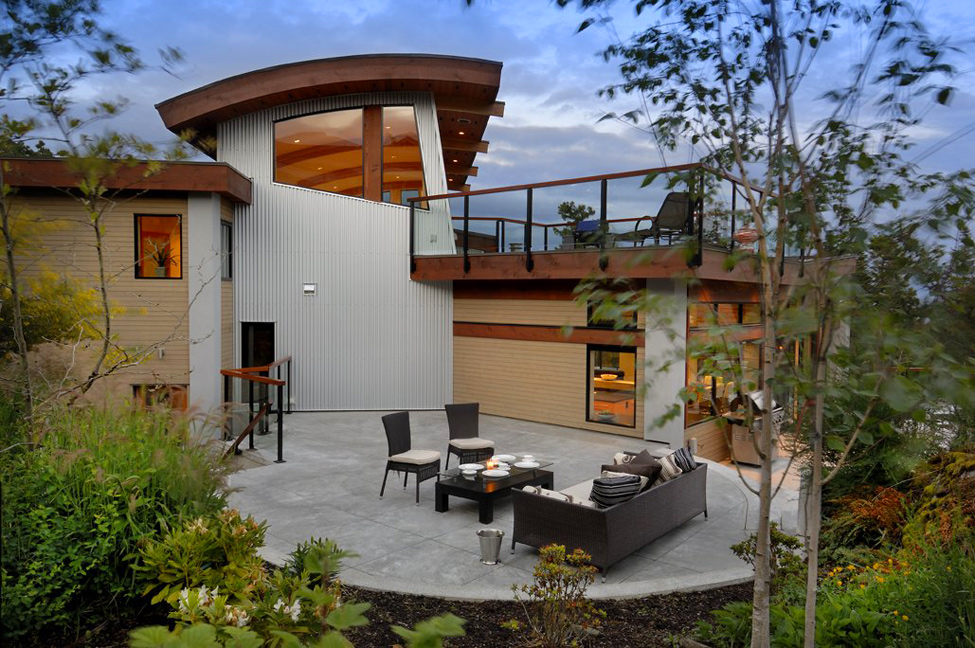
Beautiful Armada House in Victoria, Canada

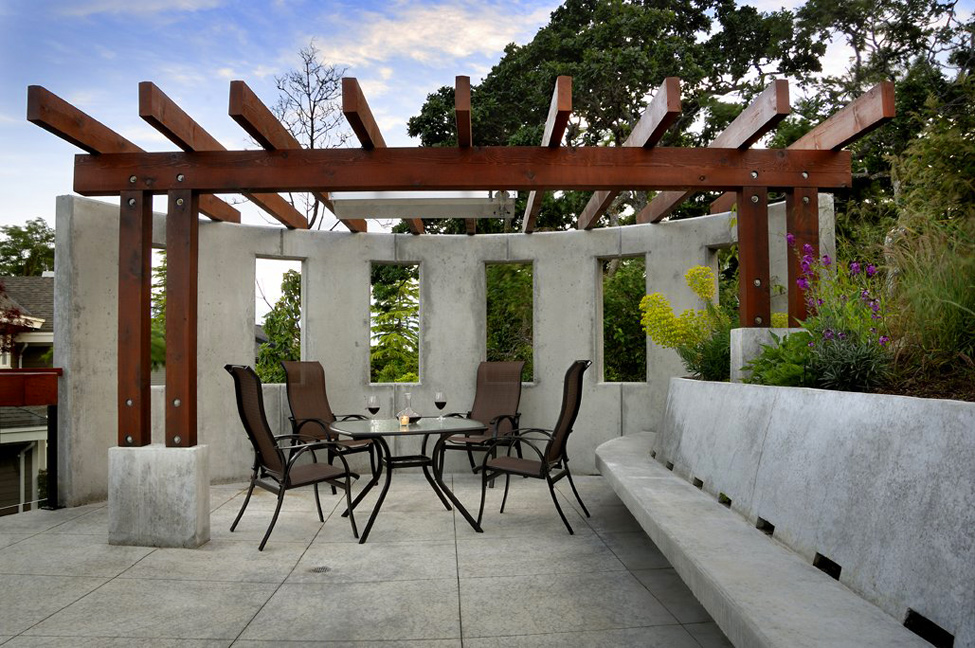
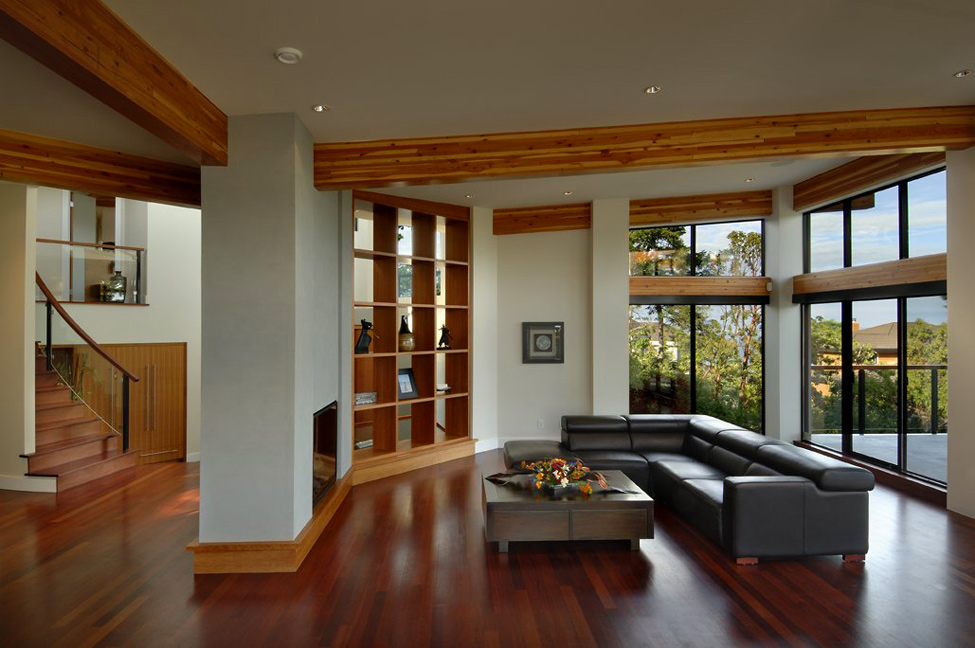
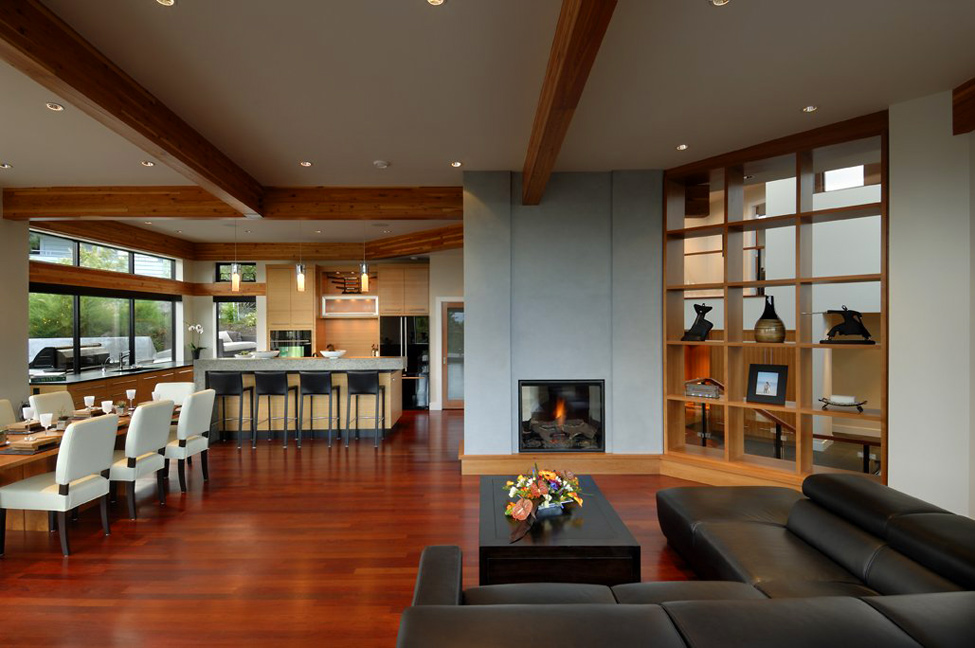
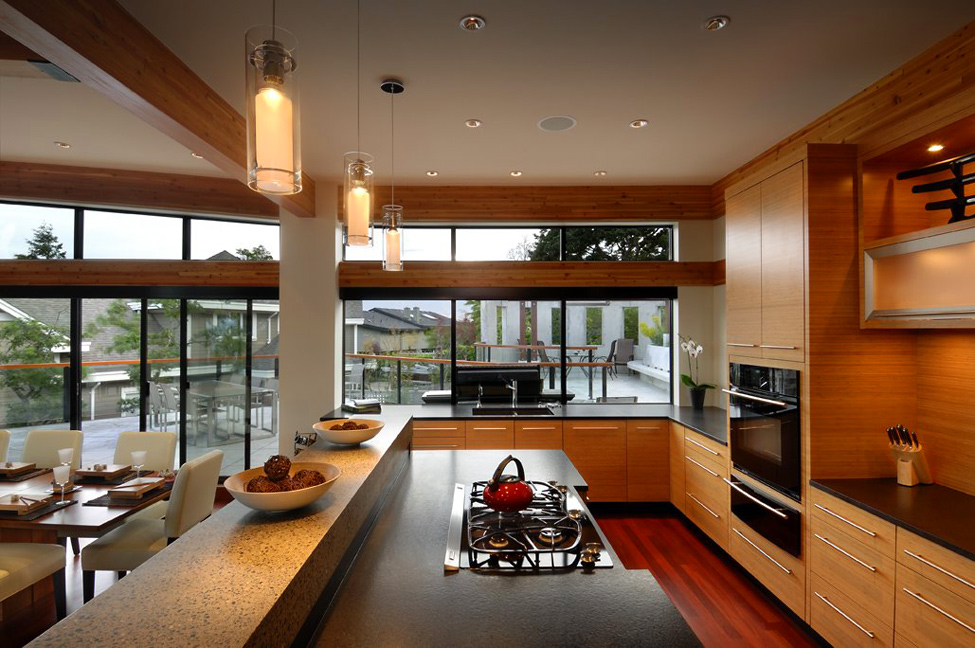
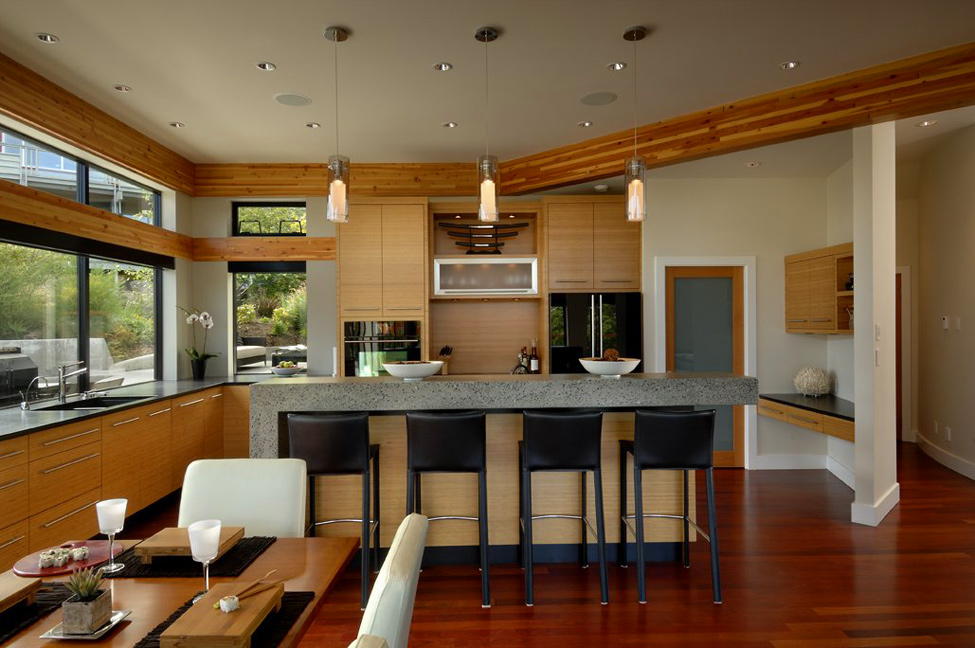
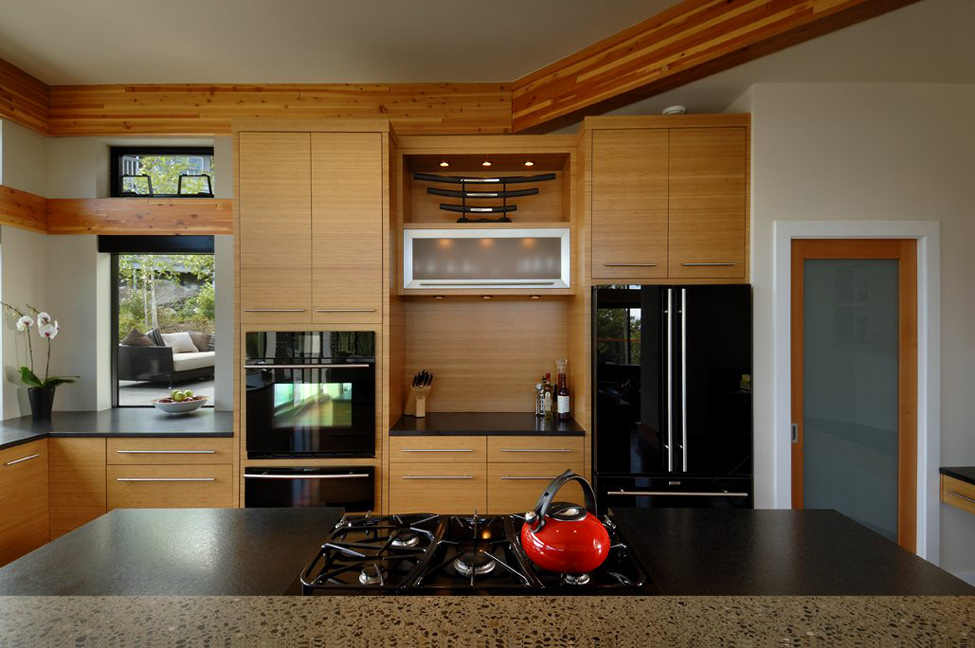
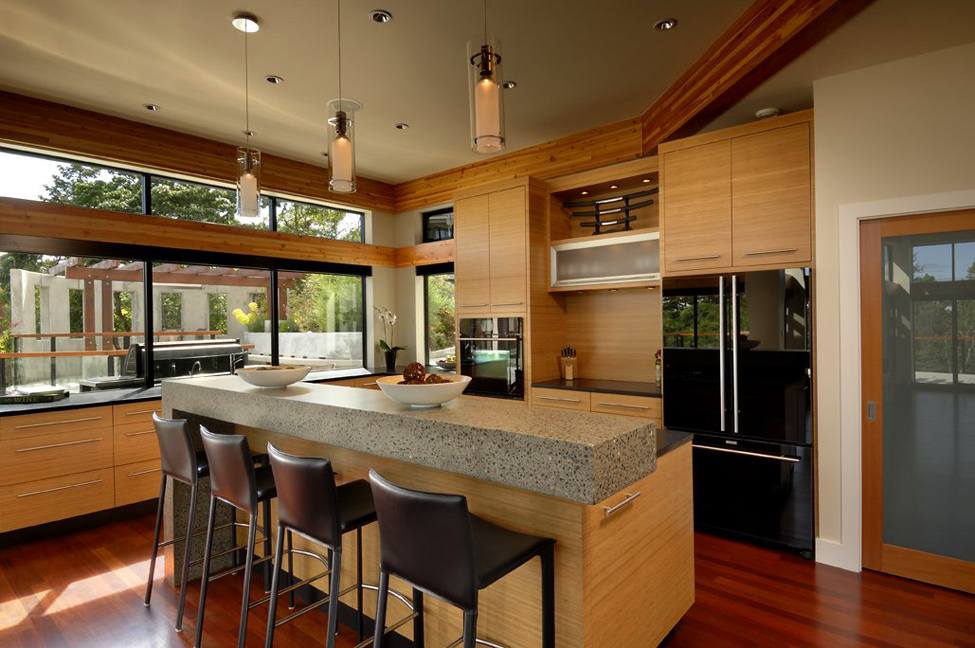
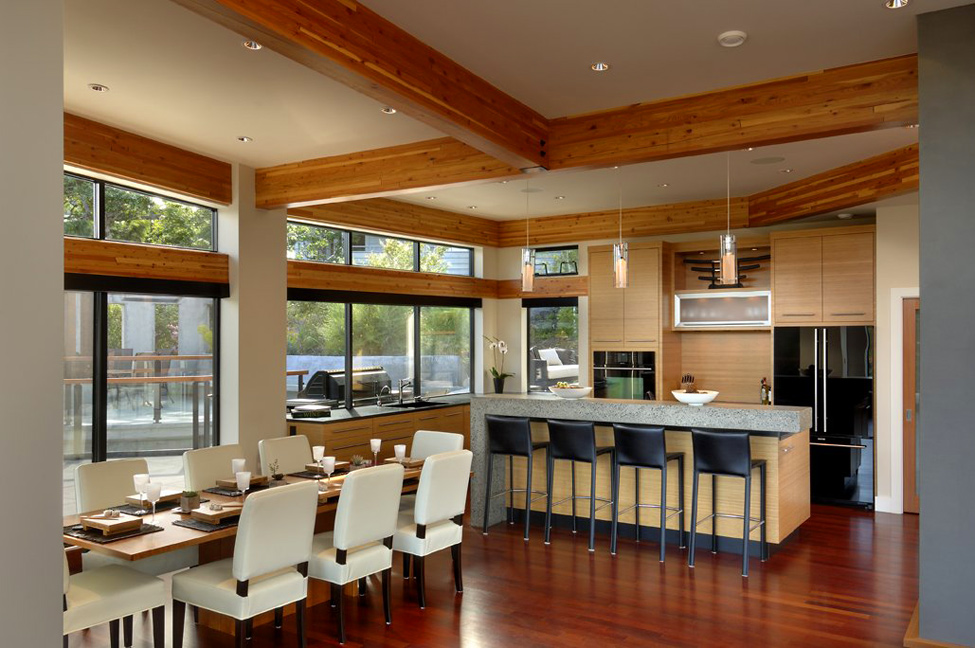
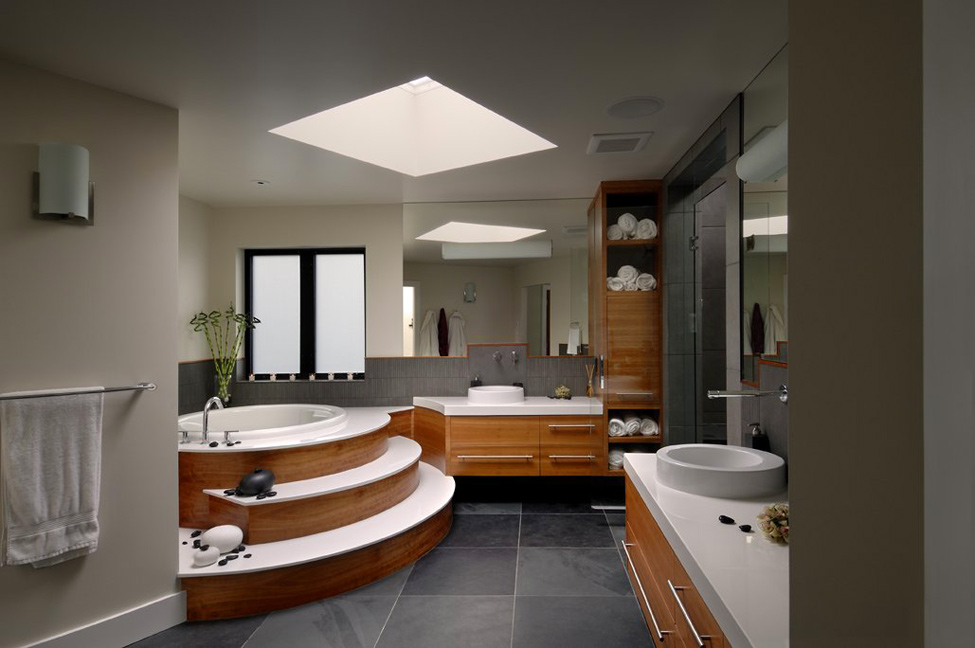
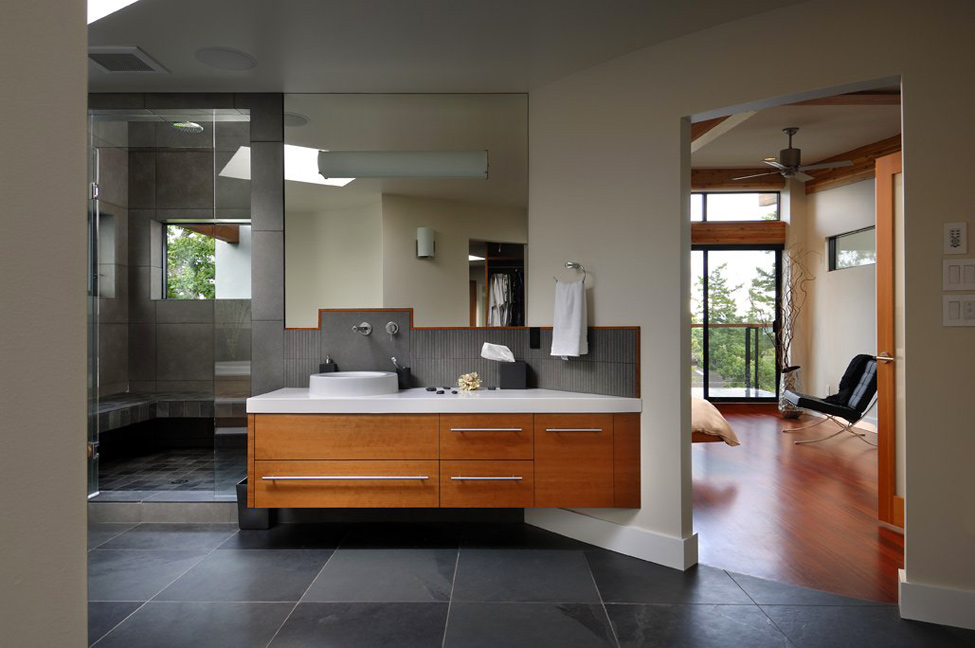
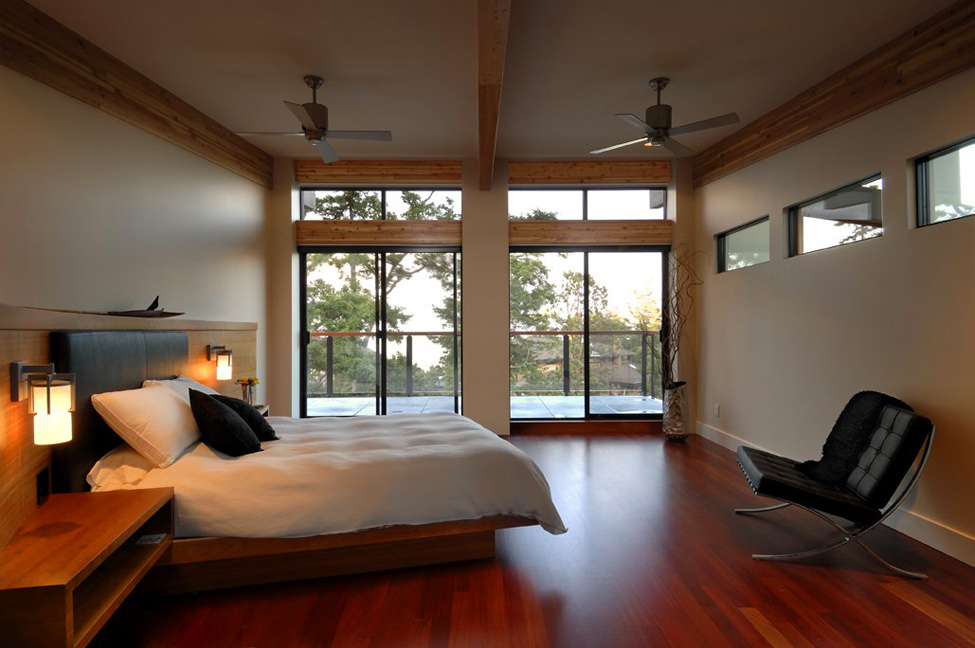
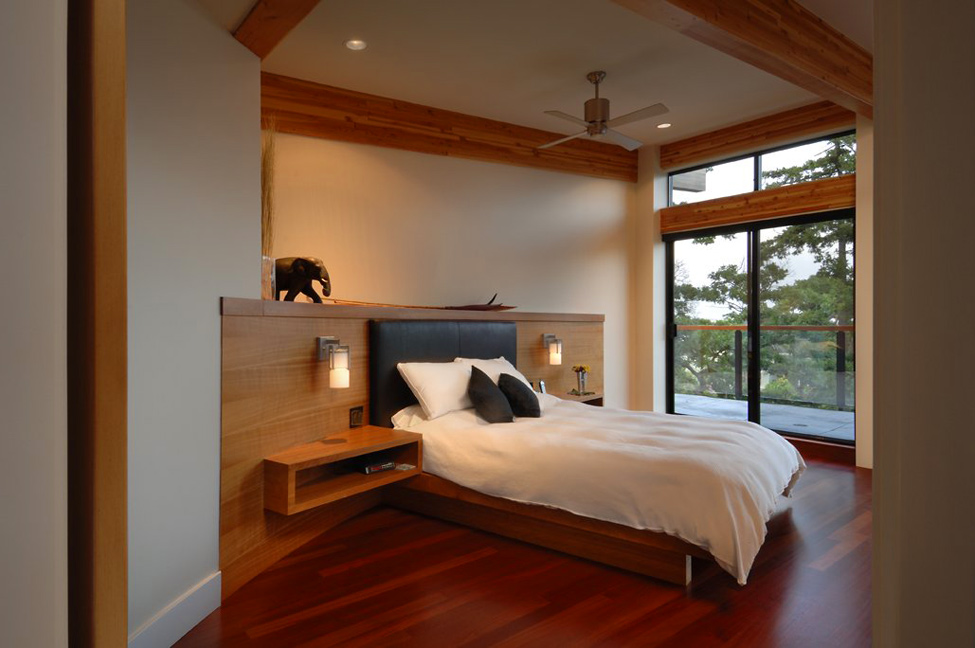
Canadian designer Keith Baker of KB Design presented a draft of an apartment house Armada House in Victoria, Canada. The area of ​​residence is 490 meters, and its abstract design blends harmoniously with the surroundings. As the materials used are dominated by wood, steel, stone and glass, and balance everything just perfect.
Designed by: KB Design

beautiful home interior

beautiful home interior

beautiful home interior

beautiful home interior

beautiful home interior

beautiful home interior

beautiful home interior

beautiful home interior

beautiful home interior

beautiful home interior

beautiful home interior

beautiful home interior

beautiful home interior

beautiful home interior

beautiful home interior

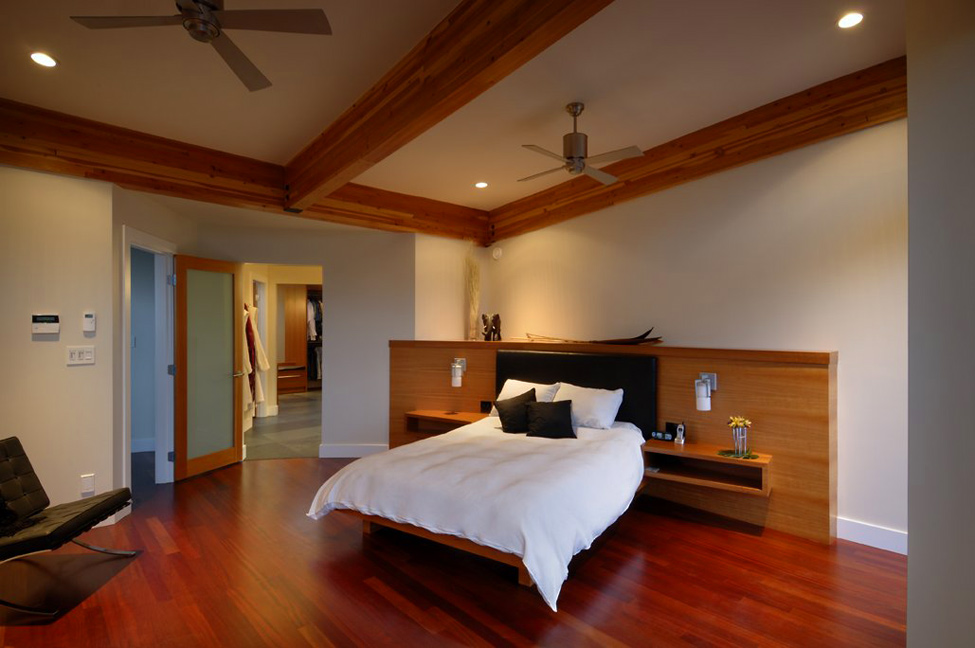
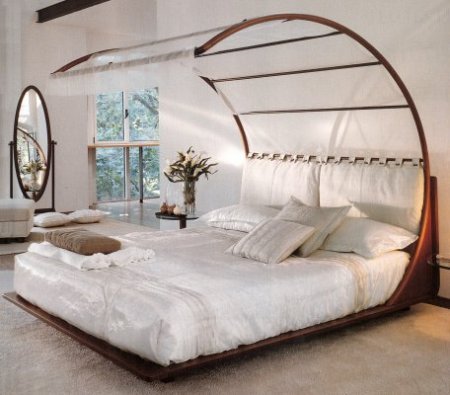
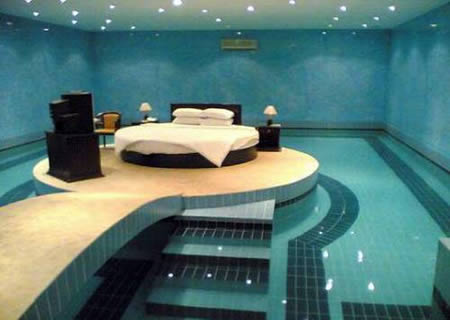
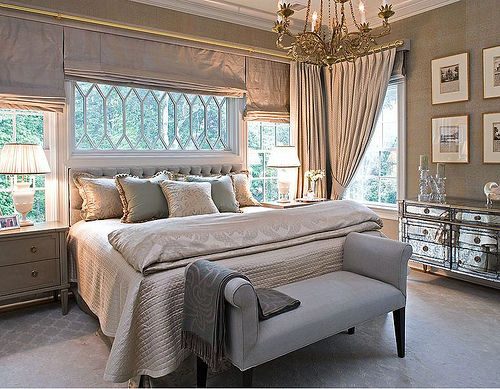
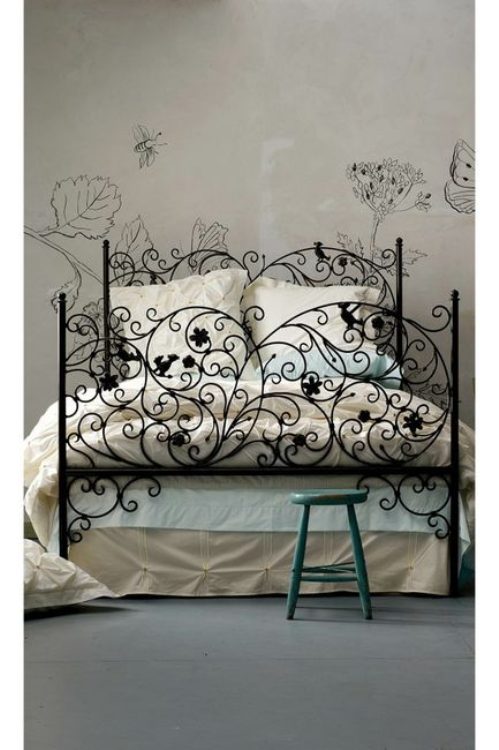
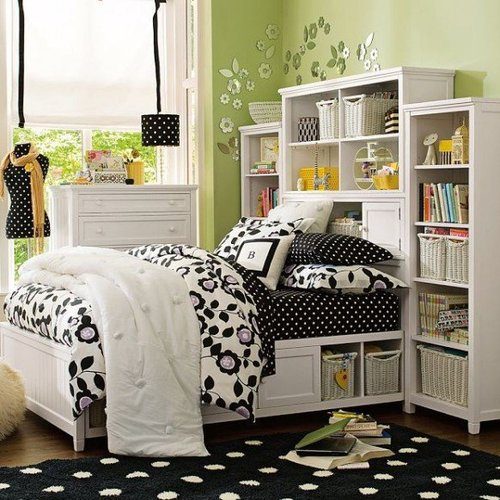
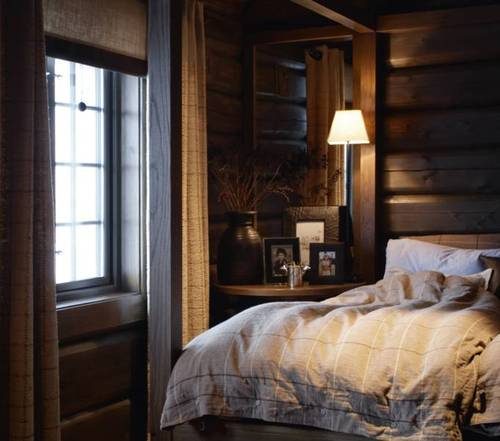
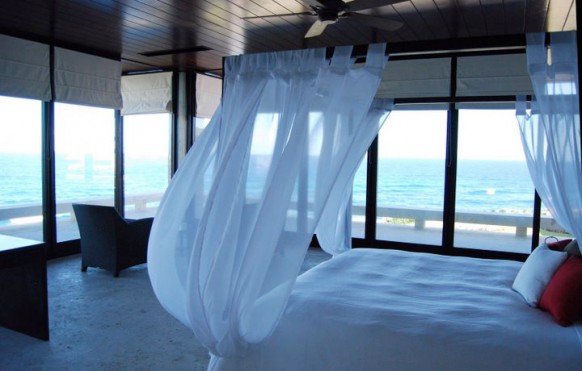
Dream Bedrooms

What does your dream bedroom look like?

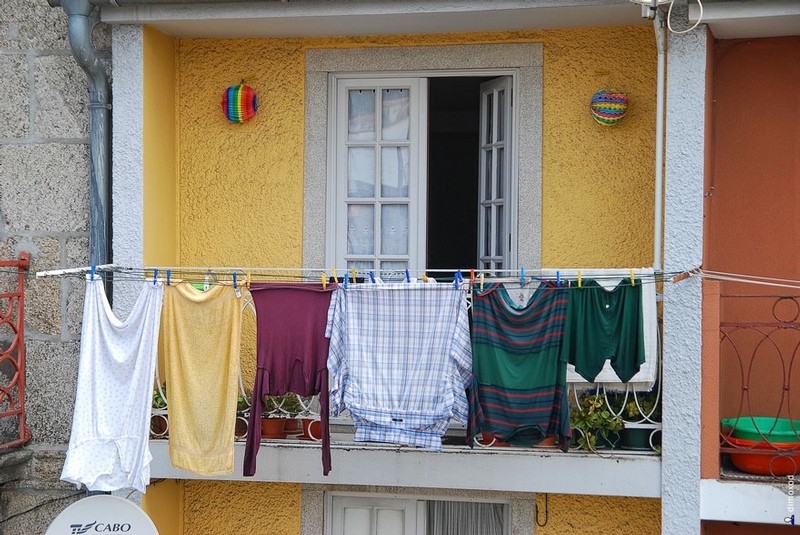
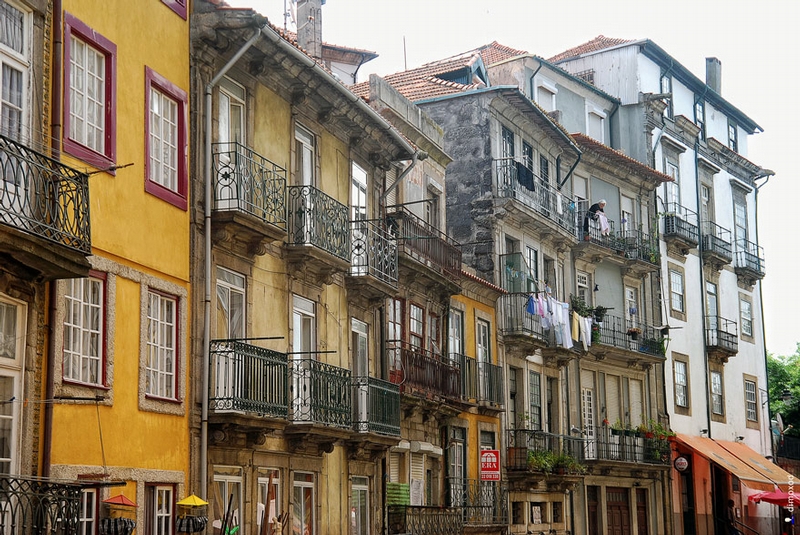
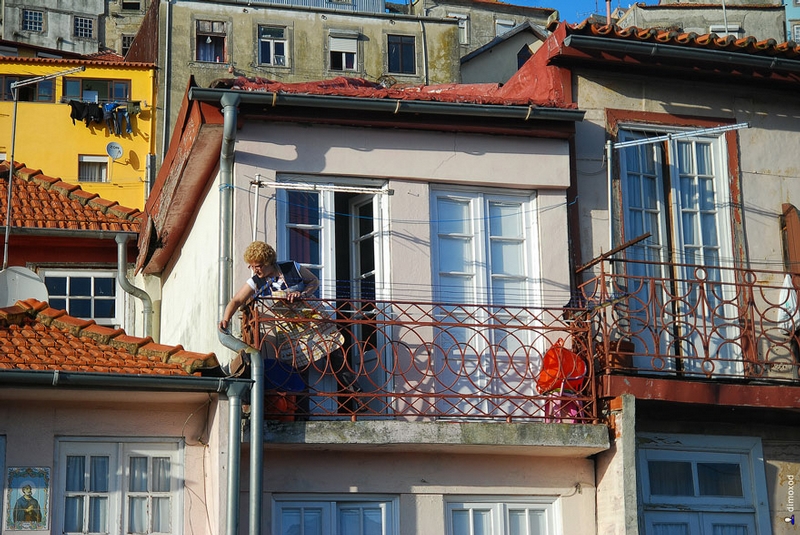
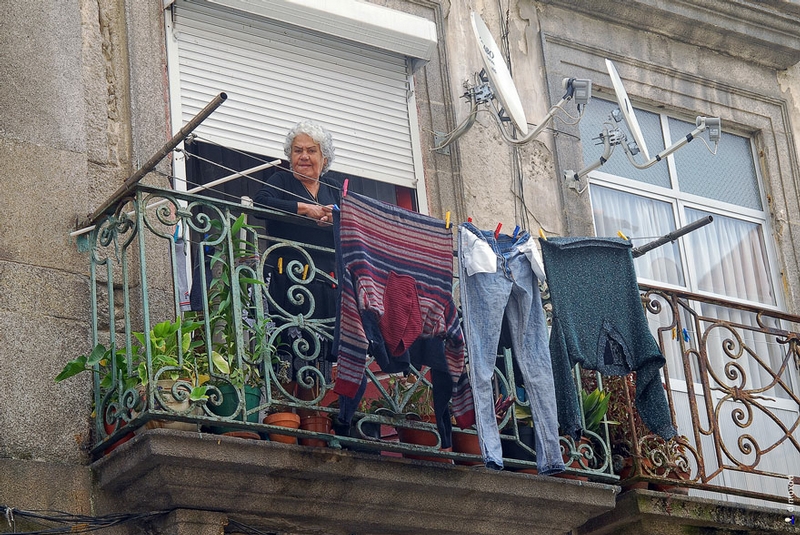
The City of Thousand Balconies

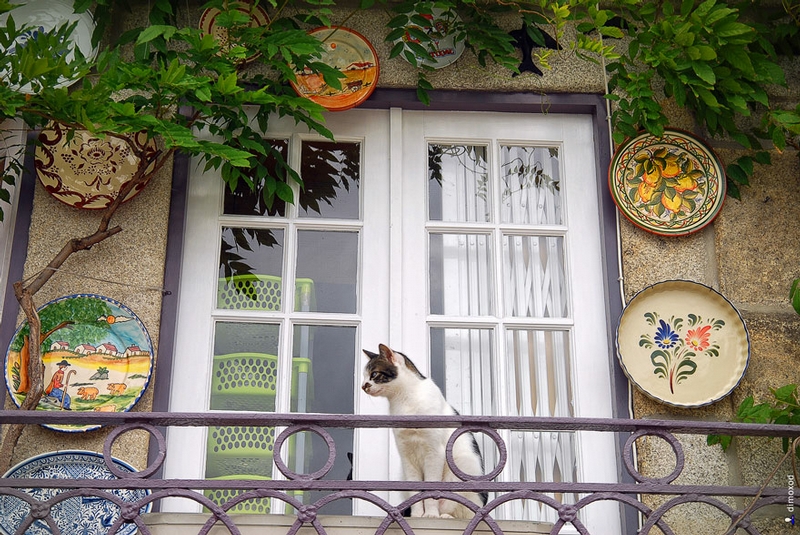
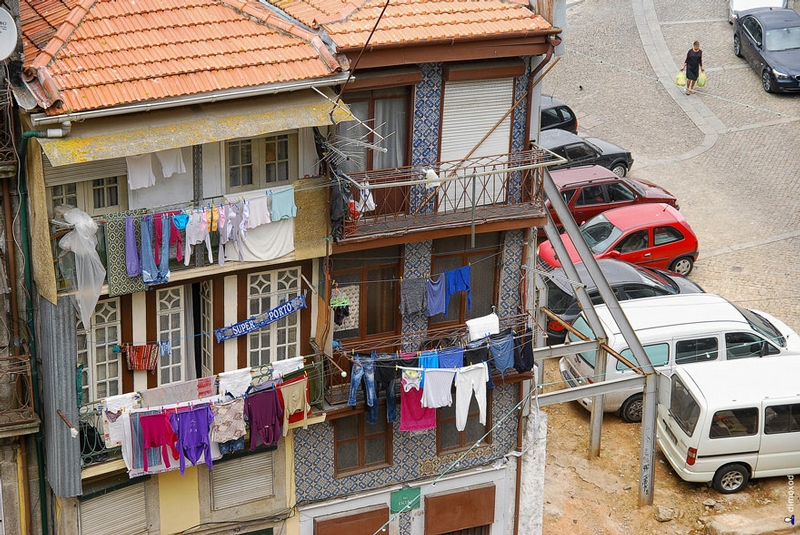
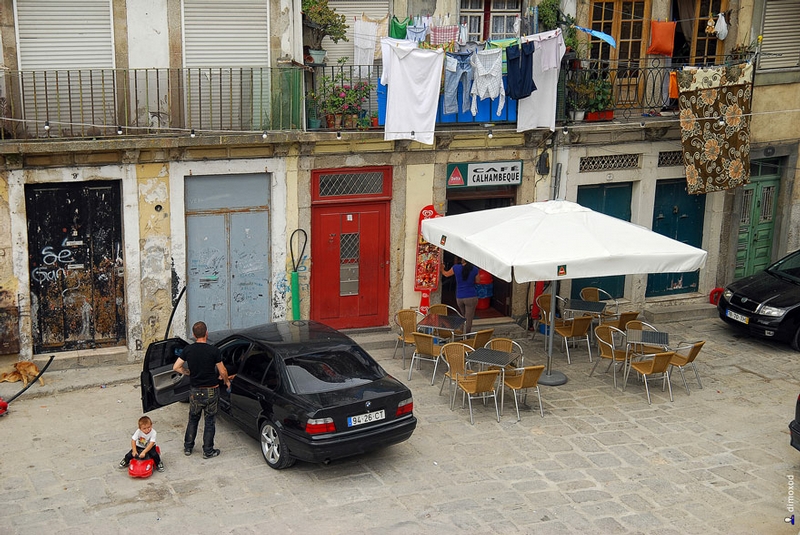
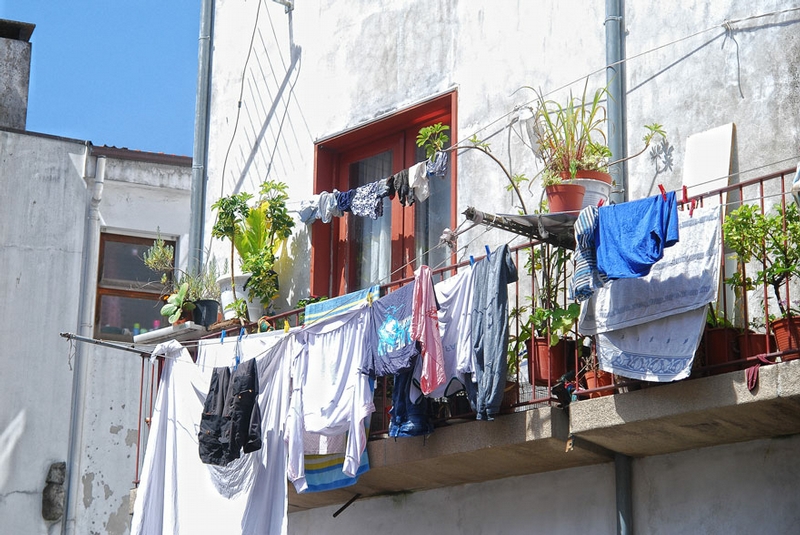
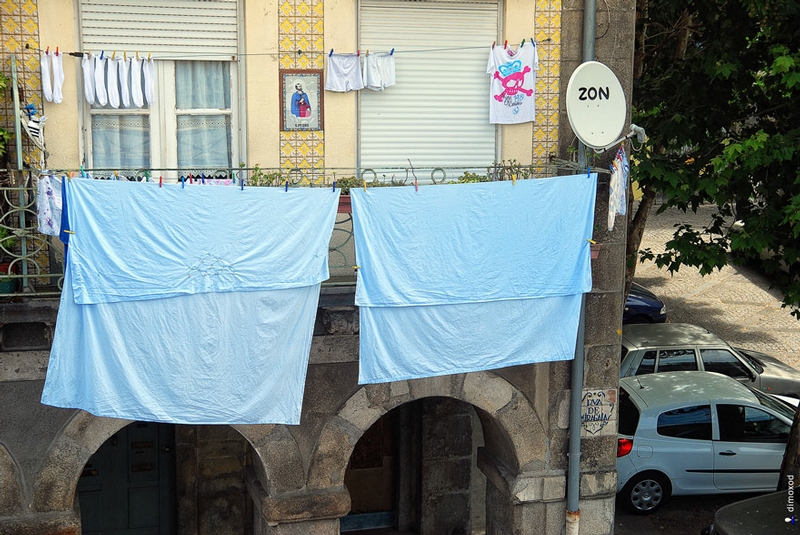
From my parent’s homeland, the Portuguese city Portu spread on some huge hills. What you do is going up and down, up and down. And your eye always catches someone’s balcony. Portugal doesn’t exist without balconies. They are not just part of a room, they are an important attribute of Portugal life. And life on a Portugal balcony is boiling! Here’s an elderly lady hanging linen, here’s a man slowly smoking out rings, in the morning people drink coffee on balconies, in the evening they stare at passers-by… A bachelor yawns after waking up, a dog waits for an owner from work…
Absolutely anything and more – tables and chairs, pink basins, flowers and plates. As you have already understood the post will be devoted to balconies, so meaningful in Portugal!

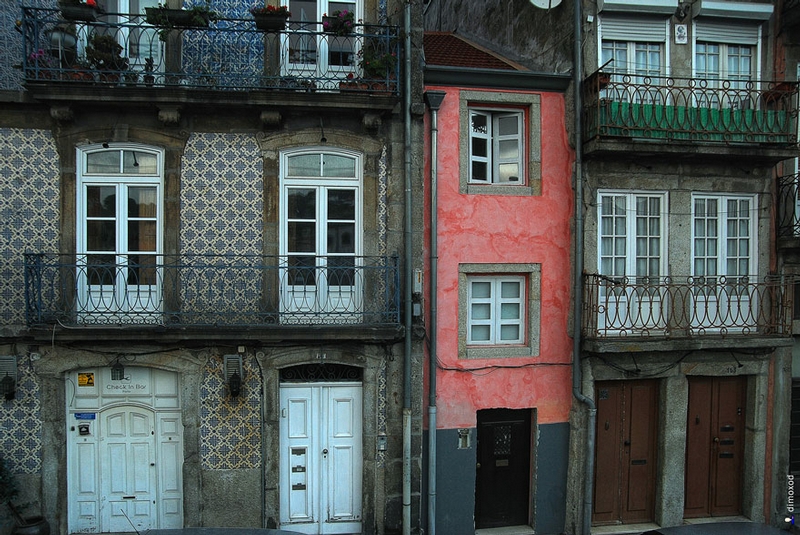
By the way, tile is not only for decoration, in hot weather it plays the role of an air conditioner.

The rooms must be really narrow in this houses!

How to Trick Out a Dorm Room

The thrill of starting college and moving out of one parents’ home can be swiftly undermined by the sight of your new dorm room. Concrete walls, dingy floor and lousy lighting – this is hardly an ivory tower! Don’t despair. With a little creativity and very little cash, you can transform your space from an institutional cell into a cozy campus retreat. Click on the preview above to expand the graphic and see some tips from Dawn Falcone, interior designer and professional organizer.

Dorm_Room_Redesign

click image for larger view

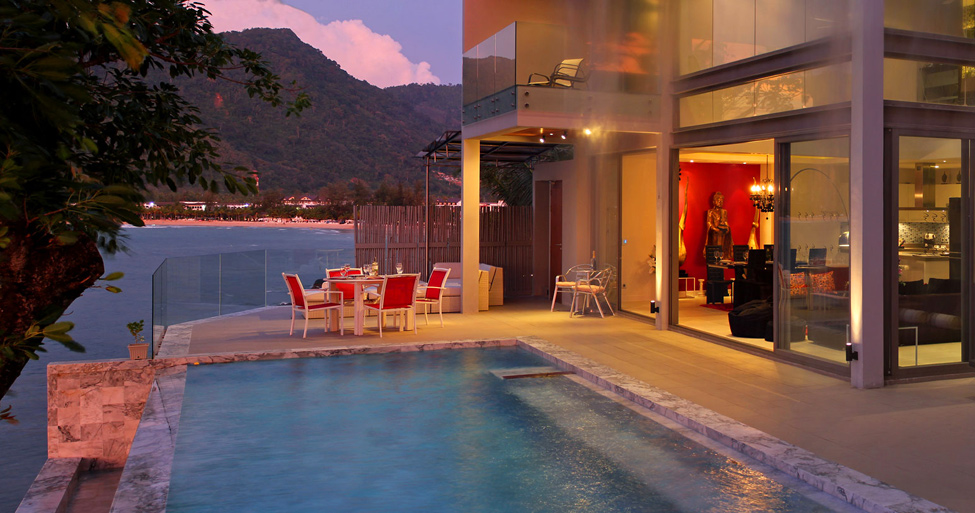
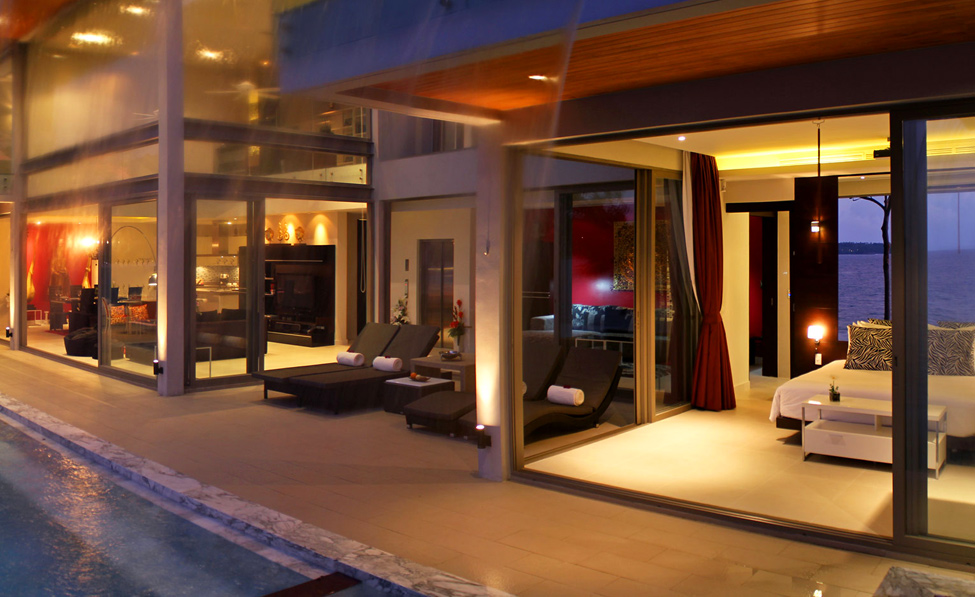
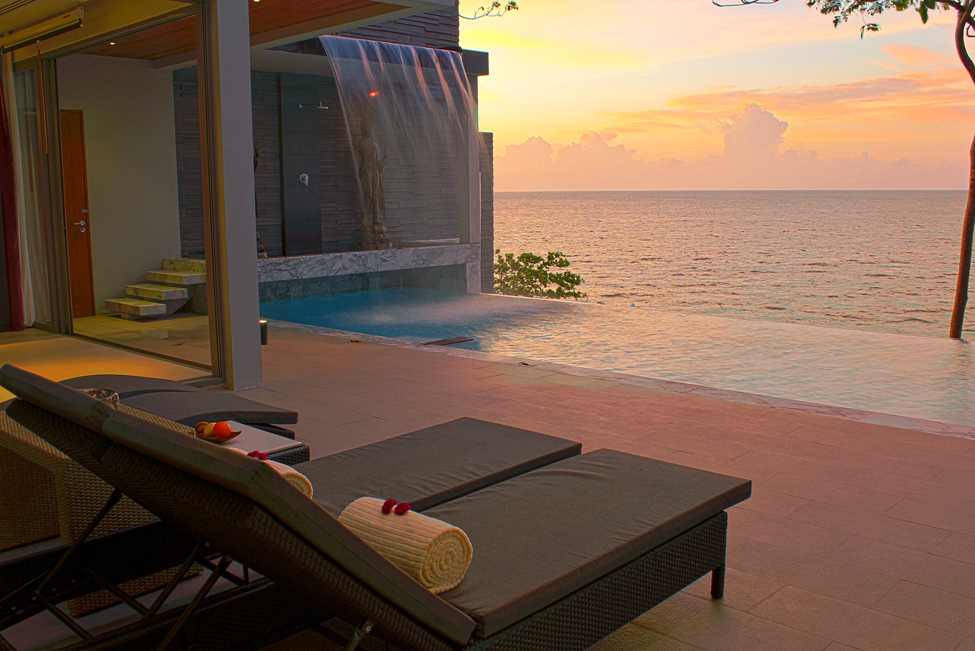
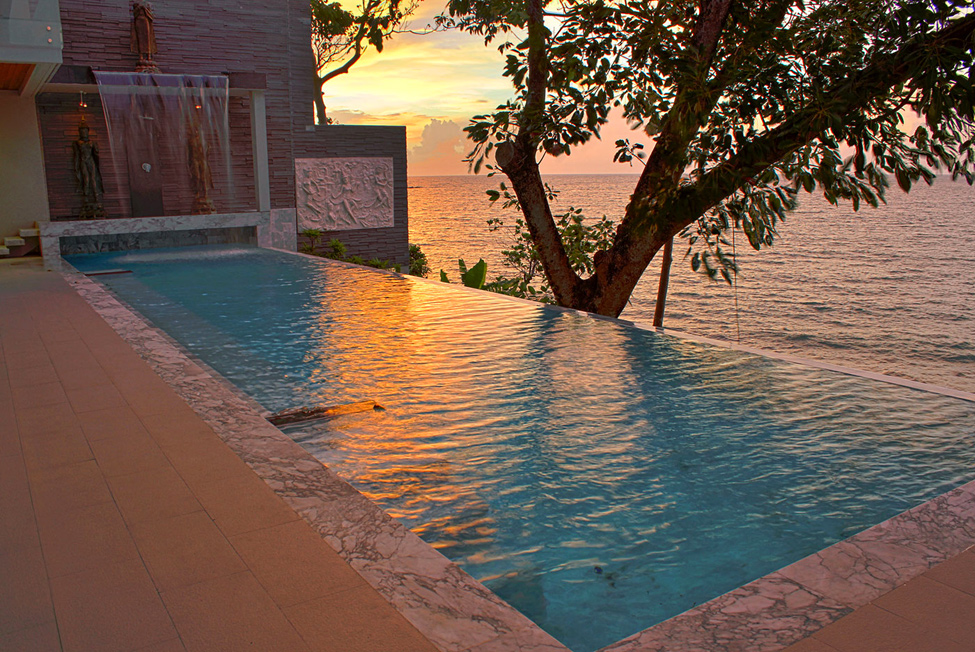
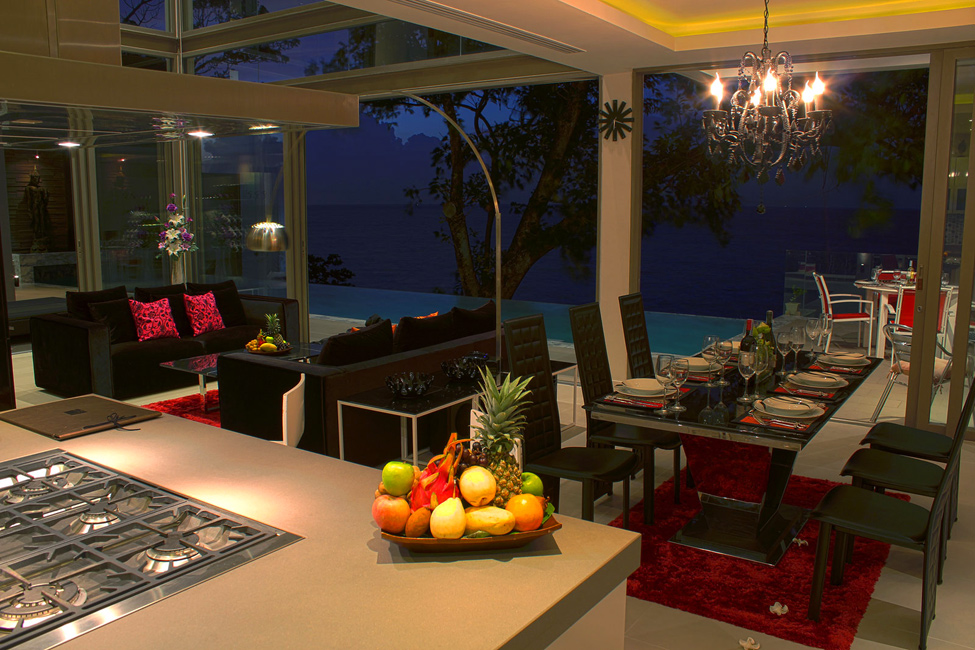
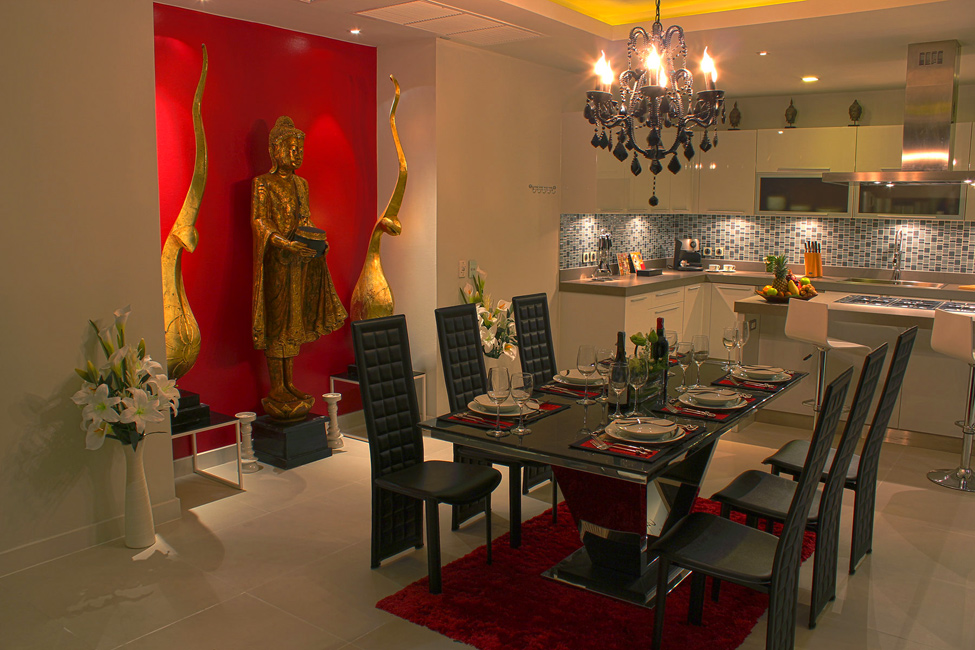
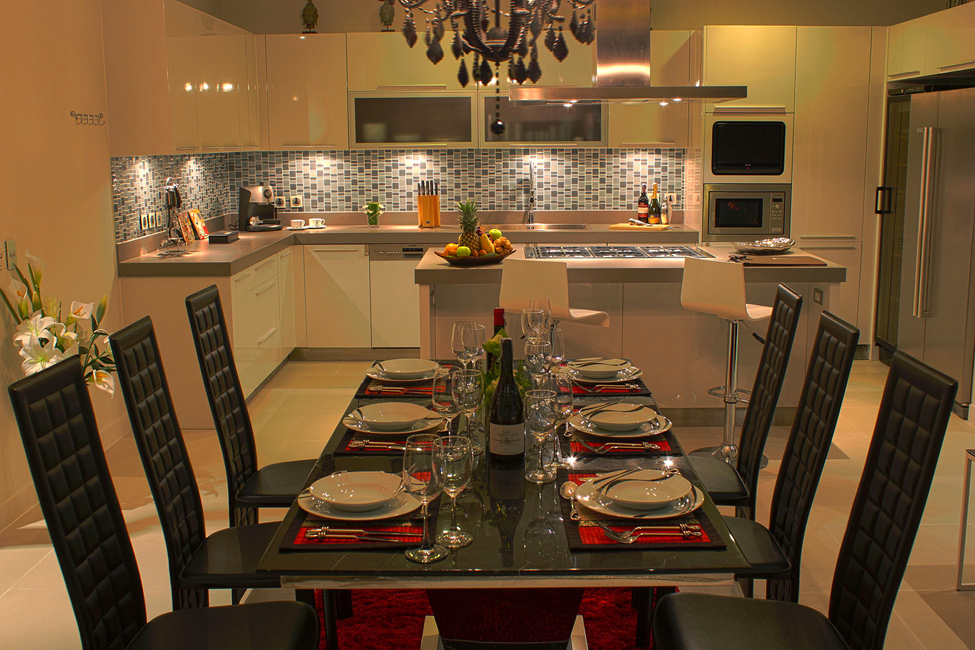
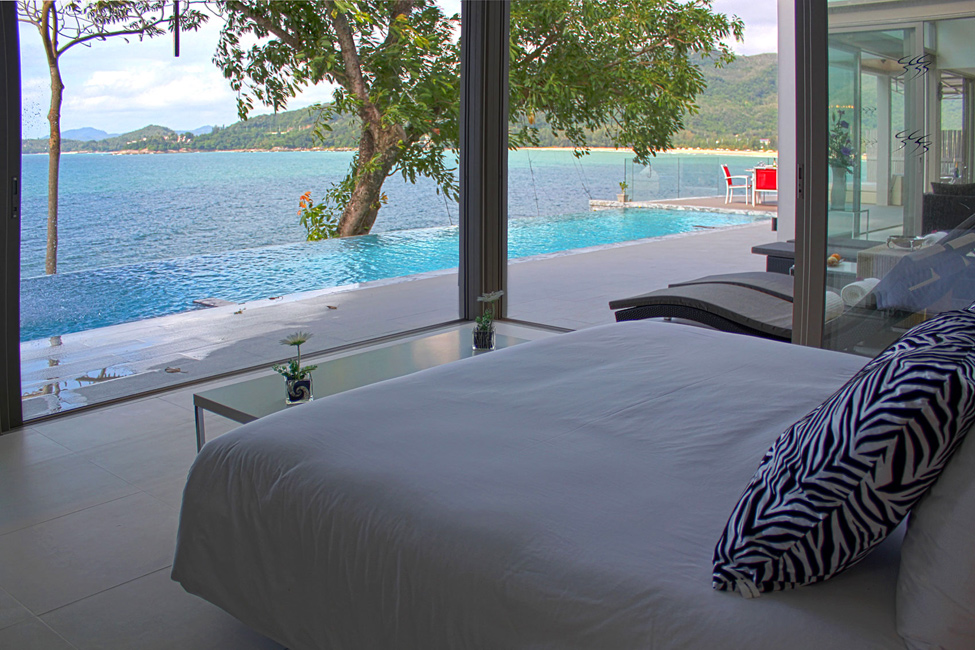
Luxury Seaside Villa – Cape Sienna

luxury seaside villa

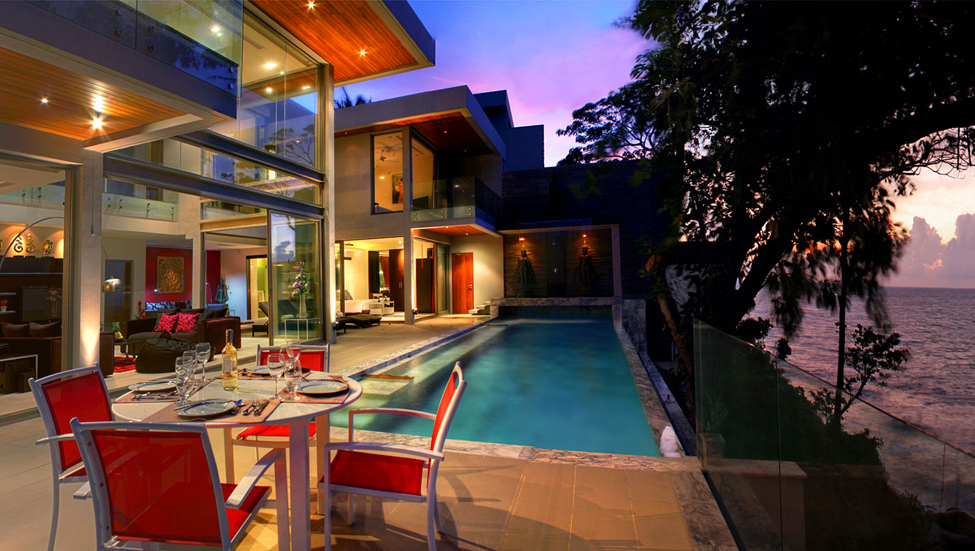
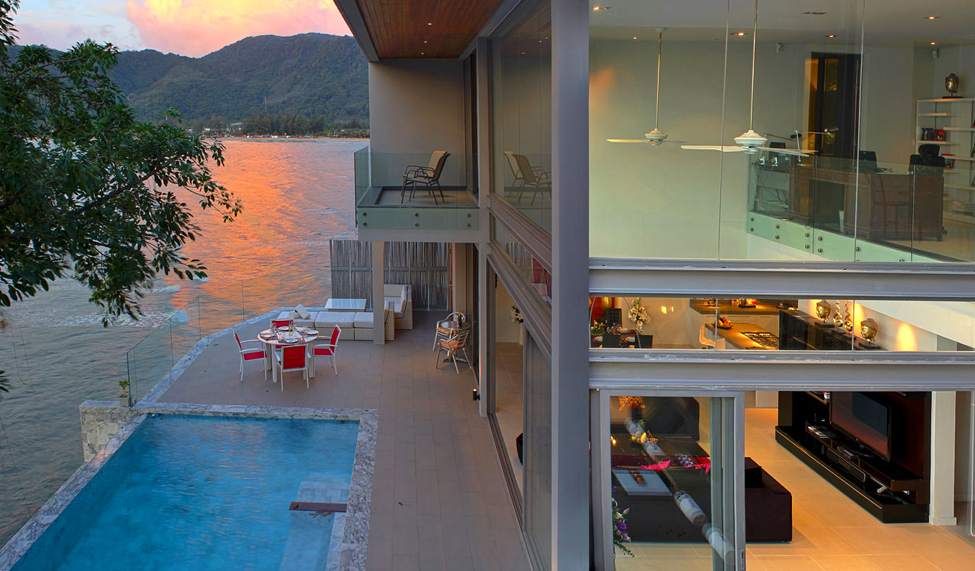
Villa Chi – this is one of nine luxury villa belonging to the Cape Sienna Resort. Located on the west coast of Phuket Island on the beach, Kamala, she proudly sits directly above the sea.
luxury seaside villa

luxury seaside villa

luxury seaside villa

luxury seaside villa

luxury seaside villa

luxury seaside villa

luxury seaside villa

luxury seaside villa

luxury seaside villa

luxury seaside villa

luxury seaside villa

luxury seaside villa

luxury seaside villa

Everything you need to know about art history

I needed this when I was in college…

grant-snider-art-history

The Art and Science of S’Mores

the-art-and-science-of-smores

Houses of tomorrow, today

‘Smart’ technology is the driving force behind the evolution of homes

The estate owned by Microsoft founder Bill Gates and his wife Melinda lines Lake Washington in Seattle in 2000.
The estate owned by Microsoft founder Bill Gates and his wife Melinda lines Lake Washington in Seattle in 2000. / Newsmakers/Dan Callister

At the 1933 World’s Fair, the “Homes of Tomorrow” exhibit predicted houses made of baked enamel.

Disneyland’s 1957 Monsanto “House of the Future” said we’d be living in plastic modular homes.

And in the ’80s, the bulbous foam insulation Xanadu houses were hailed as the next big thing.

As you can see by looking around your neighborhood, none of those predictions proved true.

But visionaries were right when they foretold of air conditioning, wireless phones, the microwave oven, security cameras, and homes automated by the Commodore microcomputer.

Four out of five’s not bad.

But what are today’s innovators imagining for the house of the future, and what can we expect to become a reality?

“There’s a reality orientation to the future, and then there’s the George Jetson vision,” said Mary G. Severino, owner and founder of the Wilmington architecture firm MGZA Architecture. “But we’re one step removed from having our homes change radically. Computerization has impacted all aspects of how we use our houses.”

The Lumenhaus is Virginia Tech's solar house project.

The Lumenhaus is Virginia Tech’s solar house project.
 
Smart

The trendiest buzzword referring to the house of the future is “smart house” or “smart home,” like a smartphone. The concept is based on implementing technologies that will make life easier by anticipating and providing what individuals need and want.

Think it’s great that you can program your coffee pot to “wake up”? Imagine a home that also assesses the weather and lays out an appropriate outfit, prepares a breakfast that meets individual dietary needs, walks the dog, and repairs a pipe that sprung a leak during the night.

“Refrigerators with built-in flat-screen TVs are already available,” said Severino, also vice president of the Delaware chapter of the American Institute of Architects. “This is just going one step further in programming that TV.”

Futuristic houses already exist around the world, some as prototypes and some as functioning residences.

At the home of Microsoft chairman Bill Gates, described in his book “The Road Ahead,” guests wear electronic pins. When the guest enters a room, the electronic pin triggers the temperature, music and light to change according to that individual’s preferences.

“The house uses this information (collected by the pin) to give you what you need,” Gates writes.

Living Tomorrow is a group of futuristic houses and offices in Belgium, including an assisted-living style apartment for the elderly.

The apartment includes “smart carpet,” which recognizes if a person falls and calls emergency services, according to the Living Tomorrow brochure.

The apartment also features a toothbrush that monitors the resident’s vital signs and sends them to the physician, as well as a mirror that reminds the person when to take medication.

Efficient

Technology can make life easier, but researchers are most interested in the hundreds of ways technology can improve energy efficiency.

For example, when the sun begins to overheat a room, the warmth might trigger a mechanism to draw the drapes, Severino said. Or, if a room is cold, the house might open the drapes to allow sun in.

Specially designed light fixtures also improve efficiency by using reflectors to “harvest” daylight, Severino said. Such fixtures might face a window and then reflect light into a darker area of the building.

“That already has a lot of benefits for commercial buildings because they’re larger. But it’s starting to happen in residences, too,” she said.

Experts expect that many technologies currently being used by businesses soon will be mainstream in residential construction, too, including products from Delaware-based companies Dupont and W.L. Gore & Associates.

Dupont recently launched a roll-on Tyvek product that creates a rubbery “building envelope,” providing commercial buildings with greater weatherization. This product is expected to be used in homebuilding in the near future, said spokeswoman Patty Seif.

Gore produces vents that enable electronics to be sealed in waterproof enclosures so they can be used outside, said product specialist Jason Zambotti. This kind of technology allows electronic devices to be used in different ways — for fun and for energy conservation.

One such device is the “smart meter.” Delmarva Power is now installing thousands of smart meters in homes and businesses statewide, which allow the company to gather more detailed information about energy use, according to the company’s website.

“These meters will talk back to the company to let them know there’s a problem,” Zambotti said. “In the future, appliances will talk directly to the smart meters, so your washing machine… would turn on automatically at 2 o’clock in the morning when power is cheapest.”

Different

The design of the house of the future will be dramatically different, experts say, for energy conservation, demographic shifts, economic changes, and a range of other reasons.

Simple design changes that don’t rely on technology can dramatically improve a home’s efficiency, said Robert Dunay, faculty adviser to Virginia Tech’s Lumenhaus, a solar house built as part of a larger research program.

For example, just by designing houses to be south facing and maximize natural ventilation, they would use approximately 20 percent less energy. The drive to conserve energy also will result in significantly smaller homes, Dunay said.

Houses will be smaller, not just to conserve energy, but also because they’ll have to be: We’ll have more people in smaller areas, said Joseph Wheeler, Lumenhaus’ lead project coordinator.

“Current population trends show that by the year 2050 there’s going to be a drastic rise in population in the cities,” Wheeler said. “With higher energy costs and more jobs being around the city… there’s going to be a migration and a need for more housing there.”

The aging of our population also will affect home design, Severino said. Although not yet mainstream, the concept of “universal design” is gaining momentum.

Universal design means that all buildings are designed to be 100 percent accessible to people with all kinds of disabilities, from wheelchairs to blindness. (A bill in Delaware’s General Assembly proposes encouraging universal design in residential buildings receiving public funding. The bill is currently in committee.)

That doesn’t necessarily mean homes would feature handicap bathrooms or lowered counters, Wheeler said.

“We build it in seamlessly. With clever design, it can be integrated into the plan. You wouldn’t notice a five foot circle (to allow a wheelchair to turn around),” Wheeler said. “It has to do with space planning, and our whole strategy is to build the small house that feels bigger than it actually is.”